When planning a multi-day conference, selecting the right AV production partner is one of the most important decisions you will make. The production team does more than provide equipment. They shape how your program is experienced from the first general session to the final breakout.
For conferences that span multiple days, rooms, and audiences, AV is not a single service. It is a coordinated system of audio, video, lighting, staging, and show execution. The difference between a smooth program and a stressful one often comes down to how that system is designed and managed.
Below is how experienced planners evaluate AV production partners when the stakes are high and the program is complex.

Experience with Similar Program Scale
Not all AV providers operate at the same level. A company that performs well for small meetings may not be equipped to support a multi-day conference with general sessions, breakouts, and networking environments running simultaneously.
Planners typically look for teams that have delivered:
- General sessions with hundreds or thousands of attendees
- Multi-room breakout environments
- Programs with tight transitions and evolving run-of-show requirements
- Events requiring coordination across multiple days and teams
This is less about years in business and more about relevant experience. Has the team solved problems at the same scale you are planning for?
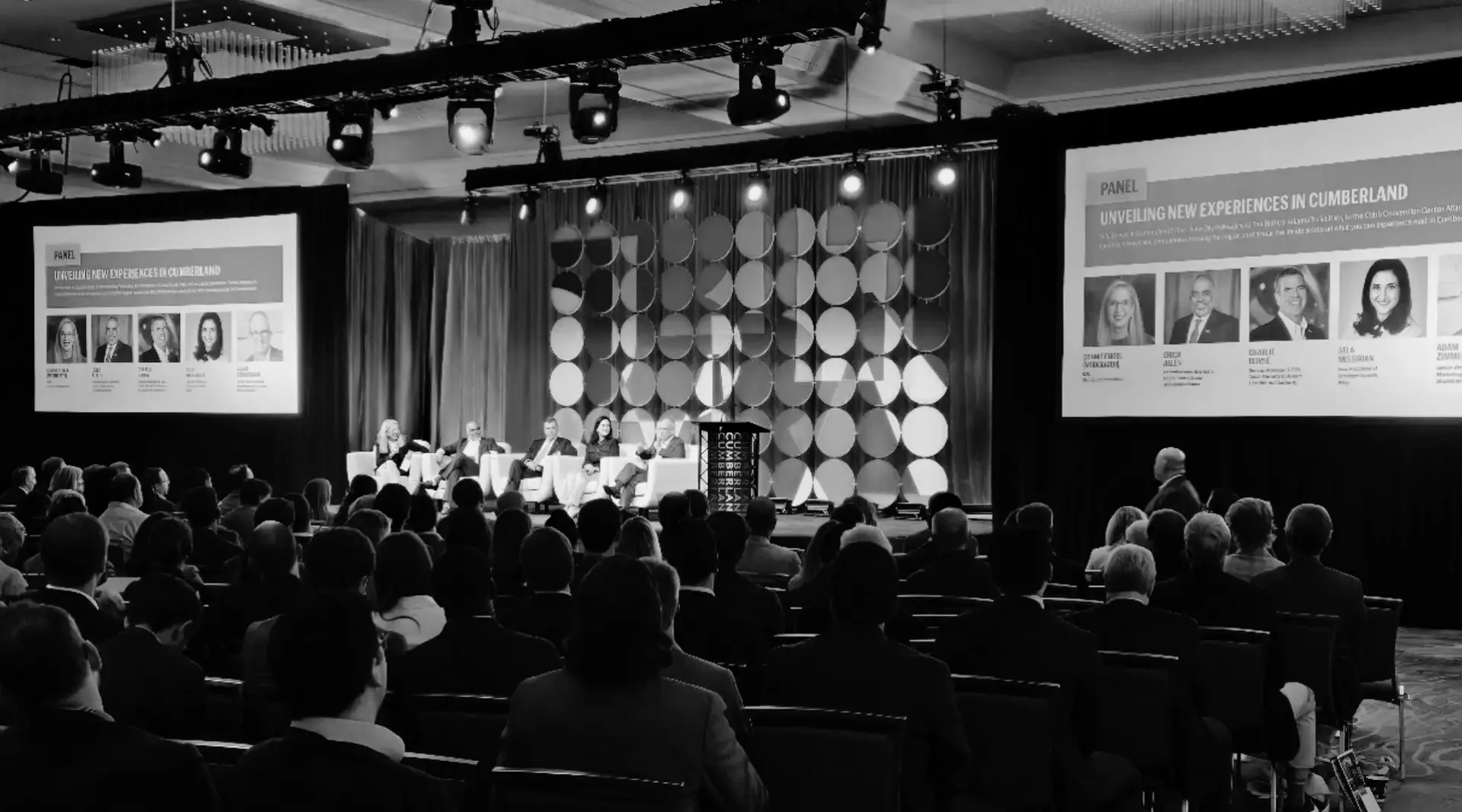
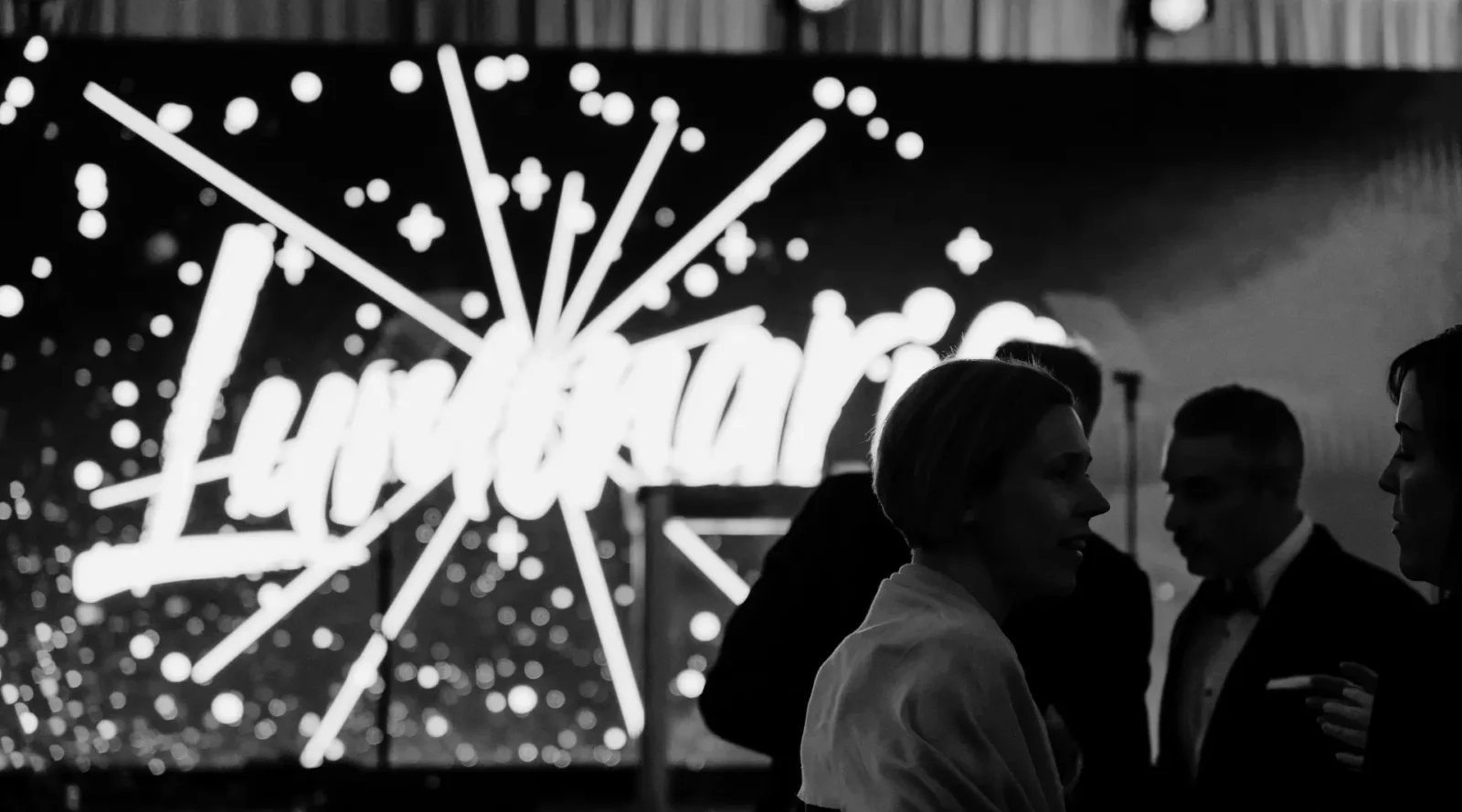
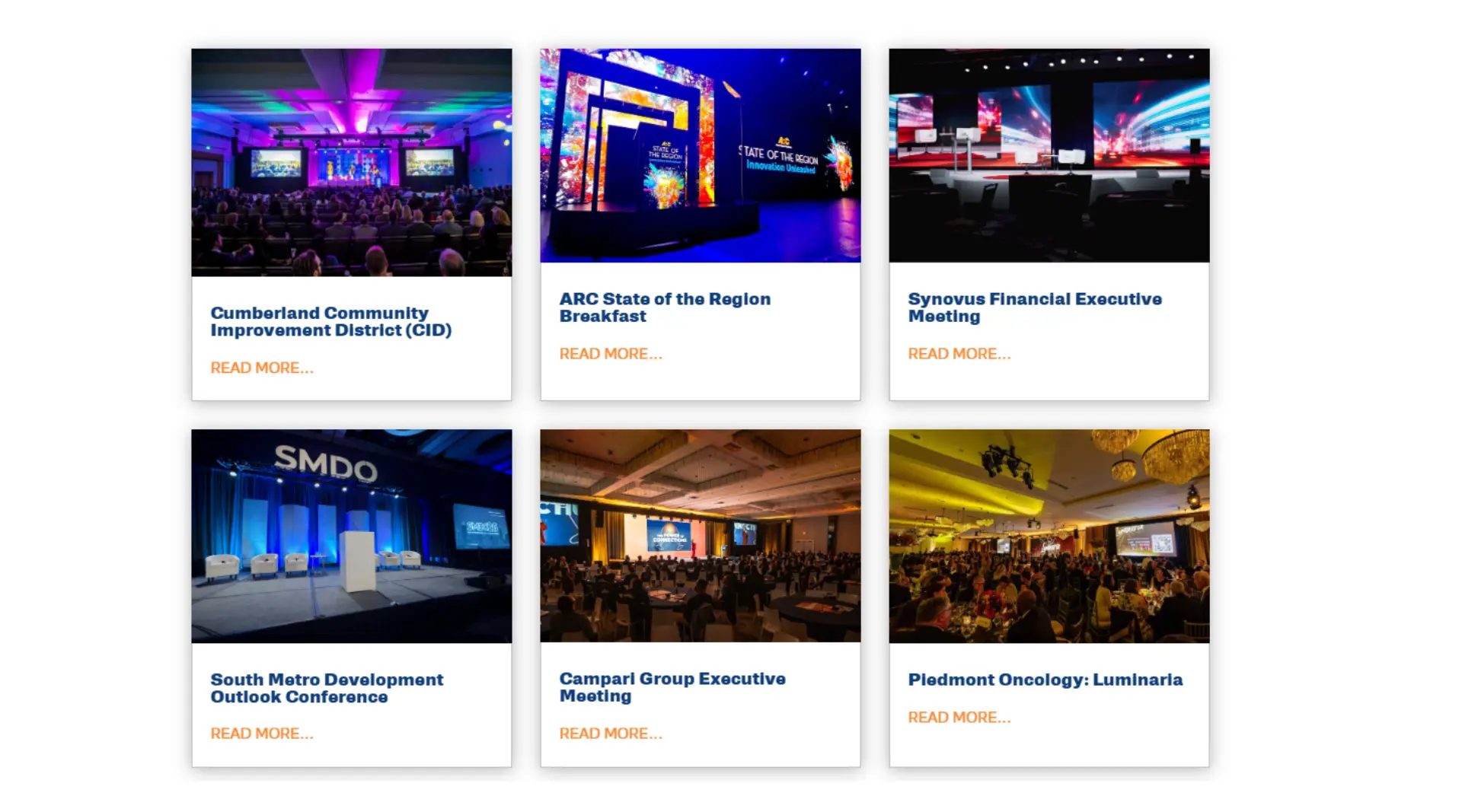
A portfolio should clearly demonstrate this. You should be able to see how different environments were handled, how systems were integrated, and how the experience was executed from start to finish.
A Structured Approach to Planning
One of the clearest indicators of a strong production partner is how they approach planning before the event.
Multi-day conferences introduce complexity quickly. General sessions may require large-format video and coordinated lighting, while breakouts demand clarity and consistency across multiple rooms. Without a structured plan, small gaps can compound into larger issues onsite.
Planners often evaluate:
- How early the production team engages in the process
- Whether layouts and systems are mapped out in advance
- How clearly responsibilities and timelines are defined
- The level of detail in pre-production communication
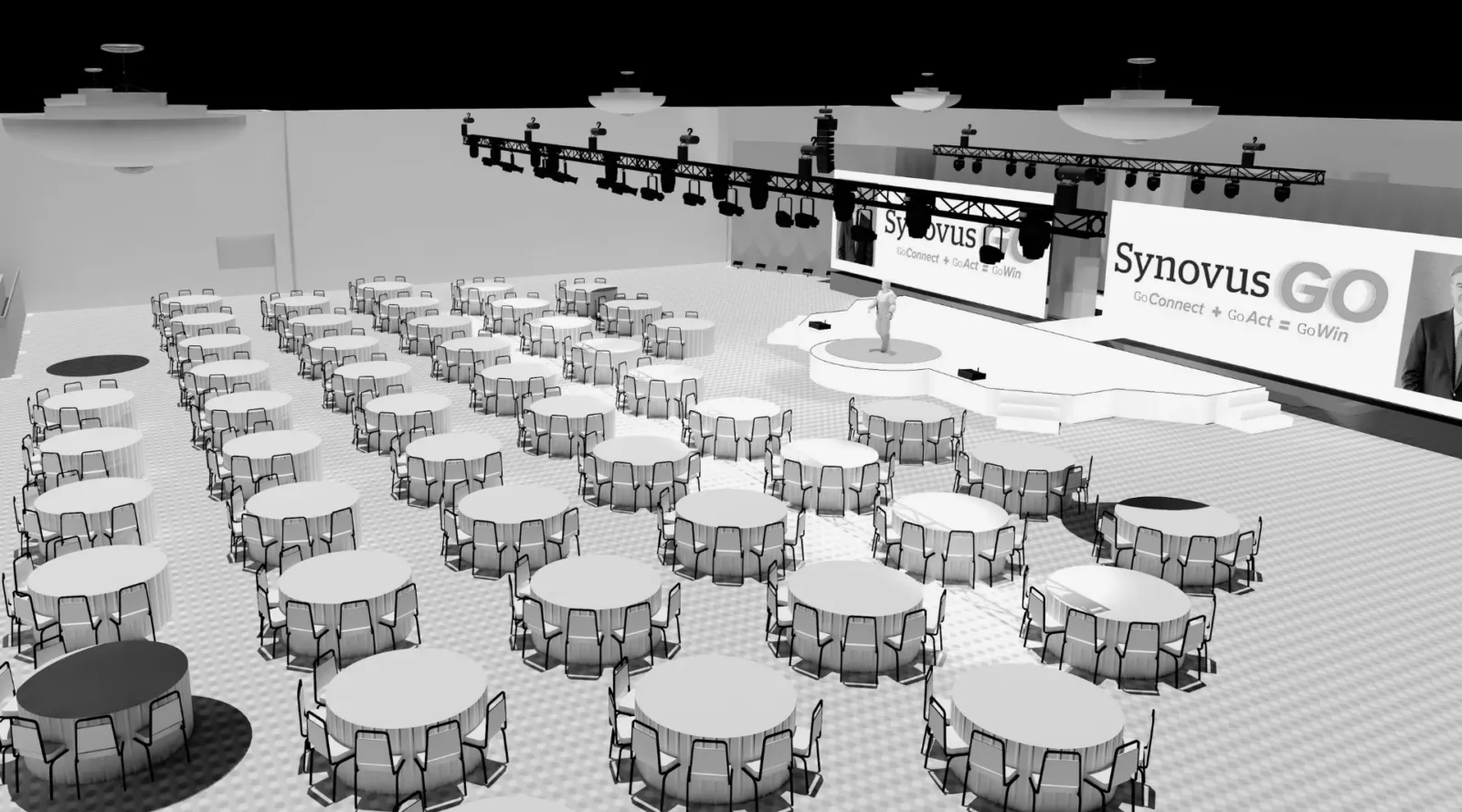
This is where tools like CAD drawings and system diagrams become valuable. They allow planners to visualize how the room will function before load-in begins, reducing uncertainty and enabling better decisions early.
A strong production partner will not wait until show week to finalize details. They will help shape the program environment well in advance, ensuring that each element supports the overall experience.
Integration Across Audio, Video, Lighting, and Staging
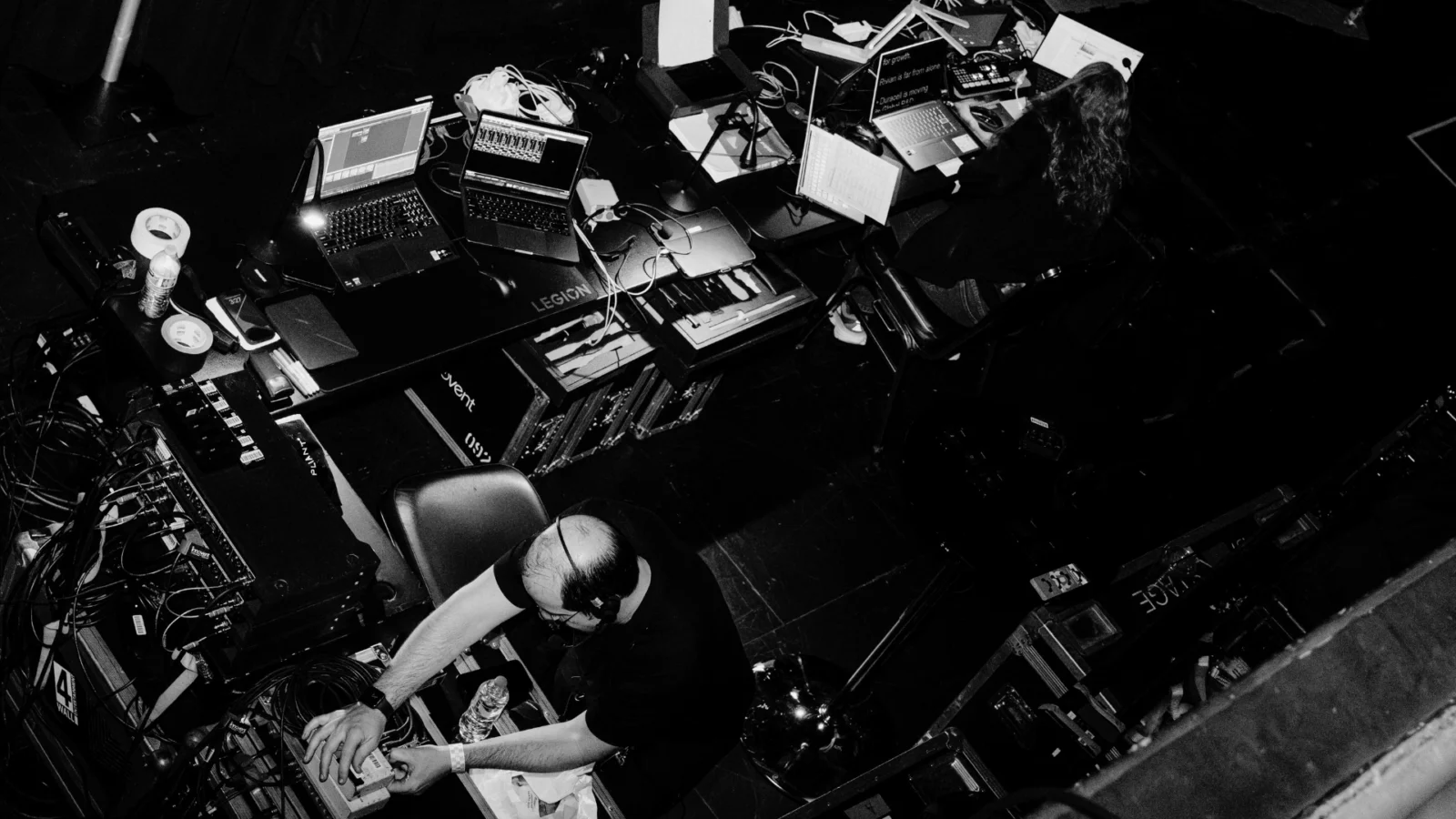
One of the most common challenges in conference production is fragmentation. When audio, video, lighting, and staging are treated as separate components rather than a unified system, the result is often inconsistent and difficult to manage.
Experienced planners look for partners who design production holistically.
This means:
- Audio systems are tuned for speech clarity and room coverage
- Video systems are scaled for visibility from every seat
- Lighting enhances both the stage and the room environment
- Staging and scenic elements support sightlines and flow
When these elements are designed together, the result is a cohesive experience where transitions feel natural and the room supports the program rather than competing with it.
This level of integration is especially important in venues with strong architectural identity. Production should complement the space, not overpower it.
Ability to Support Multiple Environments Simultaneously
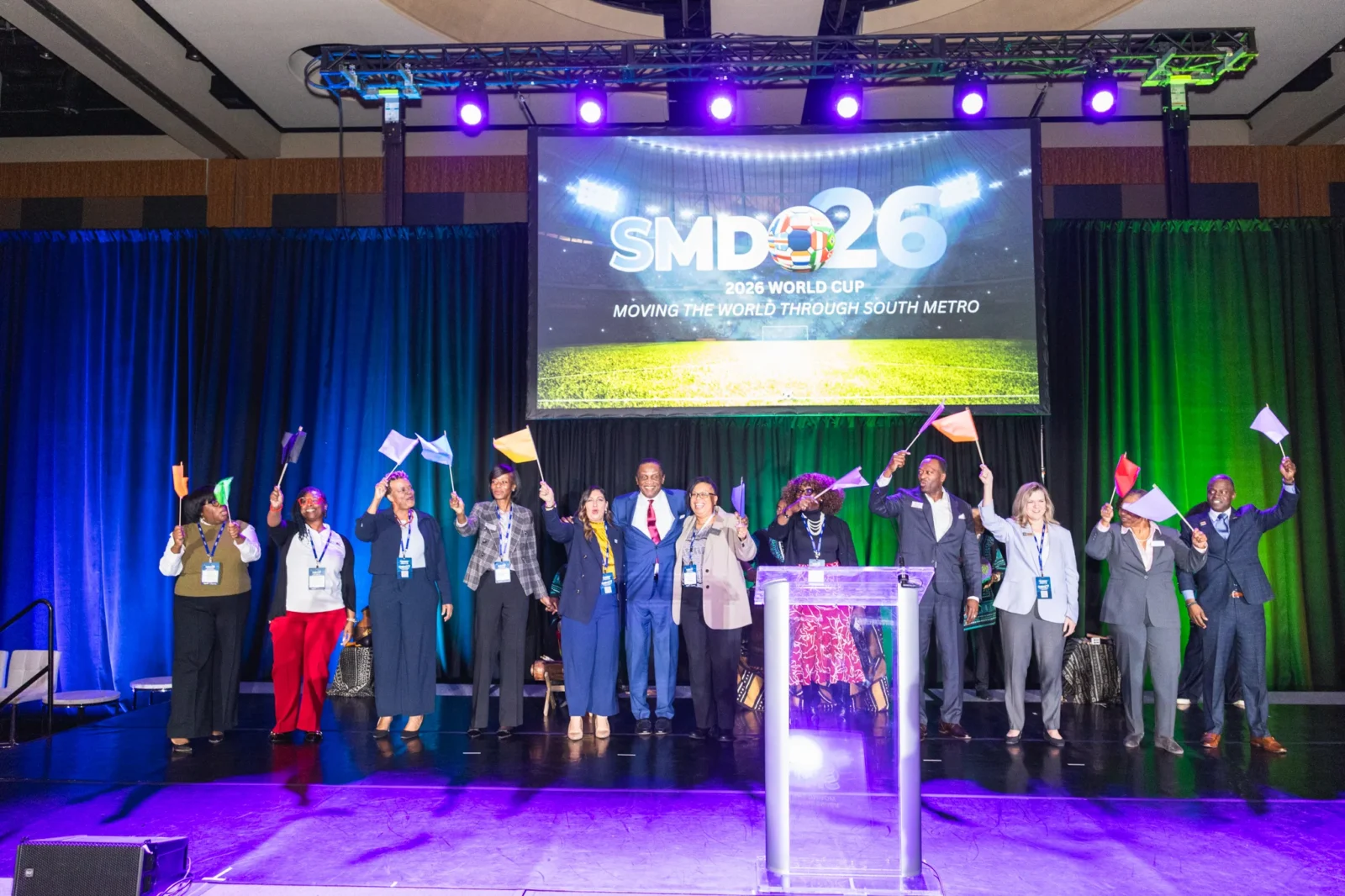
Multi-day conferences rarely operate in a single room. General sessions, breakout rooms, networking areas, and specialty environments often run in parallel.
Each of these spaces has different technical requirements, but they still need to feel like part of the same event.
Planners evaluate whether a production partner can:
- Maintain consistency across multiple rooms
- Scale systems appropriately for different audiences
- Coordinate teams working in parallel environments
- Adapt quickly as schedules shift or sessions evolve
This requires more than additional equipment. It requires coordination, communication, and a clear operational structure.
A capable team understands how to allocate resources, manage transitions, and ensure that each environment functions independently while still aligning with the overall program.
Clarity in Communication and Roles
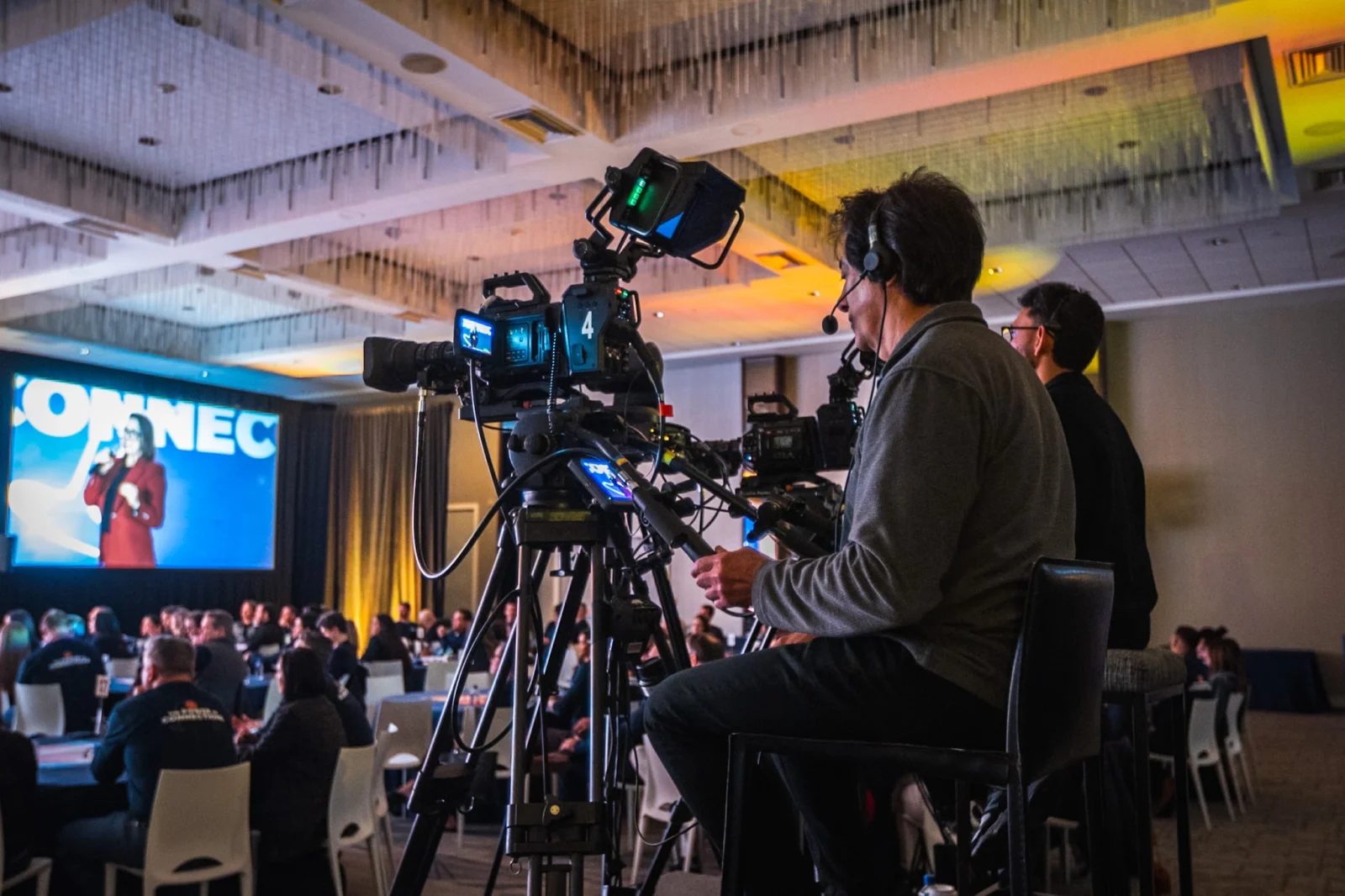
Production success is often determined long before the event begins. Clear communication during planning sets the foundation for a smooth execution.
Planners look for teams that:
- Provide a single, reliable point of contact
- Communicate timelines and expectations clearly
- Respond quickly and consistently
- Translate technical decisions into practical outcomes
During the event, this clarity becomes even more important. There should be no confusion about who is responsible for show calling, troubleshooting, or making real-time adjustments.
A well-structured production team reduces stress for planners because responsibilities are defined and execution is predictable.

Reliability Under Pressure
Even with strong planning, live events are dynamic. Schedules shift, presenters adjust content, and unexpected challenges arise.
What separates strong production partners is how they respond in those moments.
Planners often evaluate:
- How the team handles last-minute changes
- Whether they maintain composure during high-pressure moments
- Their ability to troubleshoot without disrupting the audience experience
- Their consistency across multiple days of execution
Reliability is not just about avoiding problems. It is about managing them effectively when they occur.
This is where experience, preparation, and team structure come together. A reliable partner allows planners to stay focused on the program and the audience rather than the technical details.
A Focus on the Audience Experience
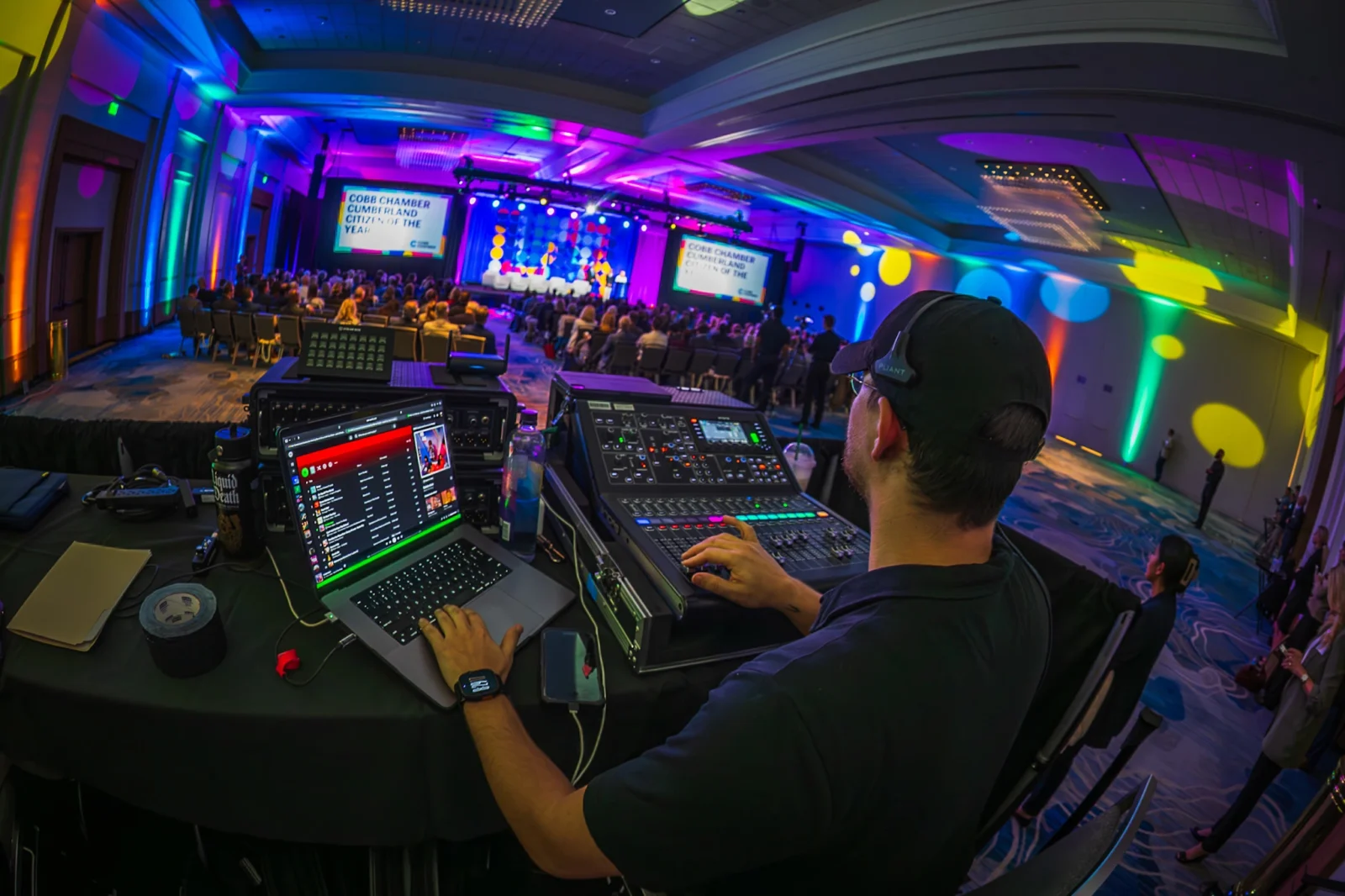
At its core, AV production is about how the audience experiences the event.
Clear audio ensures that every word is understood. Properly scaled video ensures that content is visible from every seat. Lighting shapes attention and creates atmosphere. Staging defines how the room feels and how the program flows.
Planners increasingly look for production partners who think beyond equipment and focus on experience.
This includes:
- Designing for sightlines and engagement
- Supporting presenters with confidence and clarity
- Creating environments that feel intentional and cohesive
- Ensuring consistency from session to session
Production decisions should always tie back to how they improve the attendee experience.
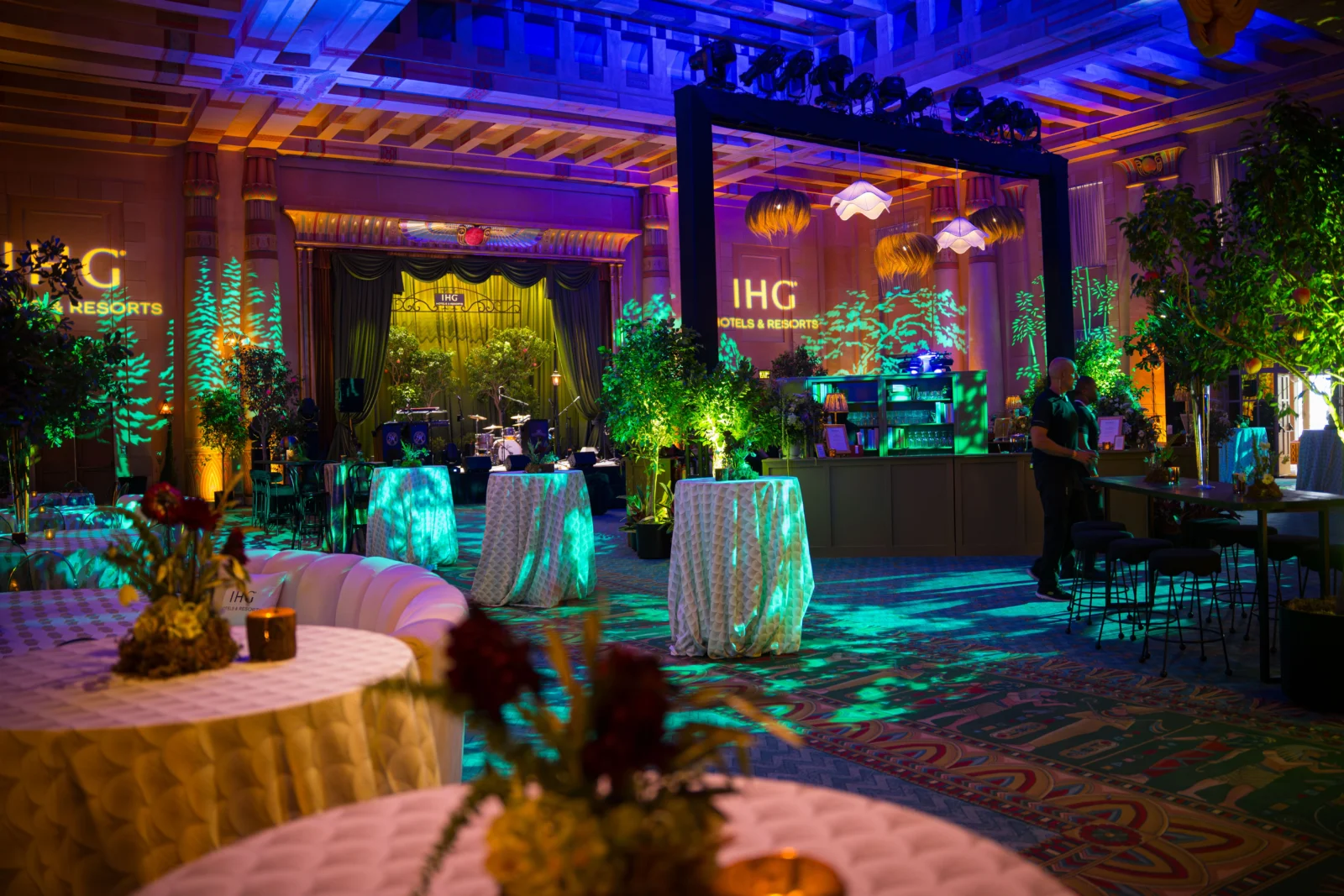
In many cases, this starts with early design thinking that aligns production with the goals of the event.
Transparency in Scope and Execution
Multi-day conferences involve significant investment, and planners need clarity around what is included in a production plan.
Strong partners provide:
- Clear breakdowns of systems and services
- Defined scopes of work for each environment
- Realistic timelines for load-in, rehearsal, and show days
- Open communication around changes or constraints
Transparency builds trust and allows planners to make informed decisions.
It also prevents misunderstandings that can lead to challenges during execution.
Long-Term Partnership Potential
For many organizations, conferences are recurring events. Planners often look beyond a single program and consider whether a production partner can support future growth.
This includes:
- Consistency in delivery across multiple events
- Ability to scale as programs expand
- Willingness to refine and improve year over year
- Alignment with the planner’s working style and expectations
A strong production partner becomes an extension of the planning team, contributing to both immediate success and long-term improvement.
Final Thoughts
Choosing an AV production partner for a multi-day conference is not just about equipment or pricing. It is about selecting a team that can design, coordinate, and execute a complete production system.
The most effective partners bring structure to the planning process, integrate all technical elements, and maintain reliability from the first load-in to the final session.
For planners, this means fewer surprises, clearer communication, and a program that runs as intended.
When the right partner is in place, production becomes a foundation for the event rather than a source of stress.