Planning a conference for more than 1,000 attendees changes the nature of event production.
At smaller scales, many decisions can be made independently. Audio, video, lighting, and staging can be treated as separate components. As attendance grows, that approach stops working. The environment becomes more dynamic, the schedule becomes tighter, and the margin for error narrows.
Large-scale conferences introduce a different set of constraints. Audience size affects visibility. Room depth impacts audio coverage. Multi-room programming requires coordination across spaces. Load-in schedules become more complex. Each of these factors influences the others.
Because of this, production becomes a system, not a collection of parts.
The most successful conferences at this scale are not defined by individual elements. They are defined by a series of early decisions that shape how the entire program operates. These decisions determine how clearly content is delivered, how smoothly transitions occur, and how reliable the experience feels for both presenters and attendees.
Below are ten of the most important decisions that shape large-scale conference production:
1. Room Layout and Sightlines
At 1,000+ attendees, room layout directly impacts the effectiveness of the program.
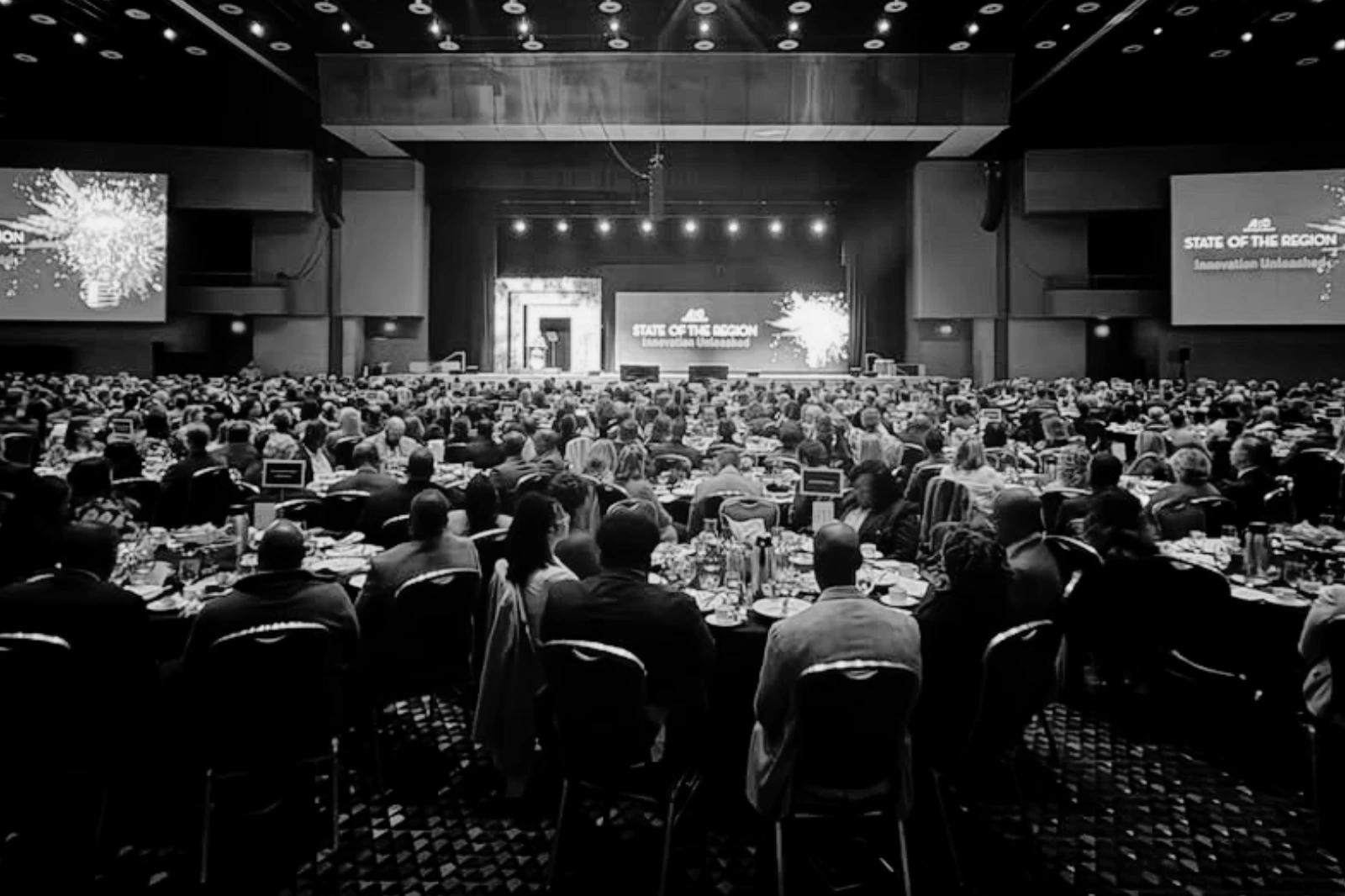
It is not enough to ensure that everyone has a seat. The layout must ensure that every attendee has a clear line of sight to both the presenter and the content being displayed. As rooms increase in width and depth, visibility becomes more difficult to manage.
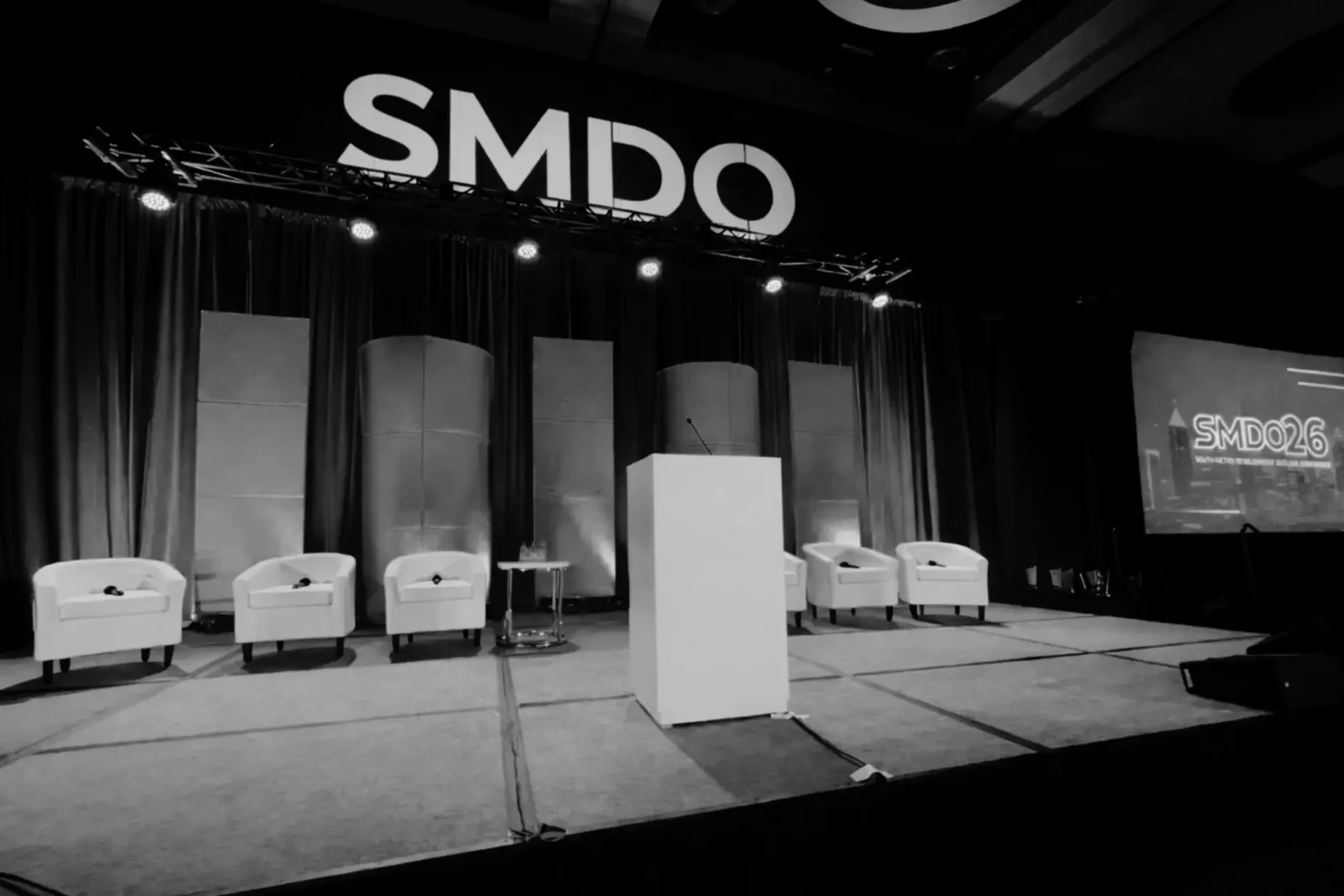
Screen placement, stage elevation, and seating configuration must be considered together. A stage that works for 300 attendees may not translate to a ballroom of 1,000 without adjustments to height or screen size. Similarly, screen placement that works near the stage may not serve attendees seated toward the back or sides of the room.
This is why detailed planning early in the process is critical. Structured CAD layouts allow production teams to evaluate sightlines, spacing, and positioning before installation begins.


2. Audio System Design for Full Coverage
Audio challenges increase significantly as audience size grows.
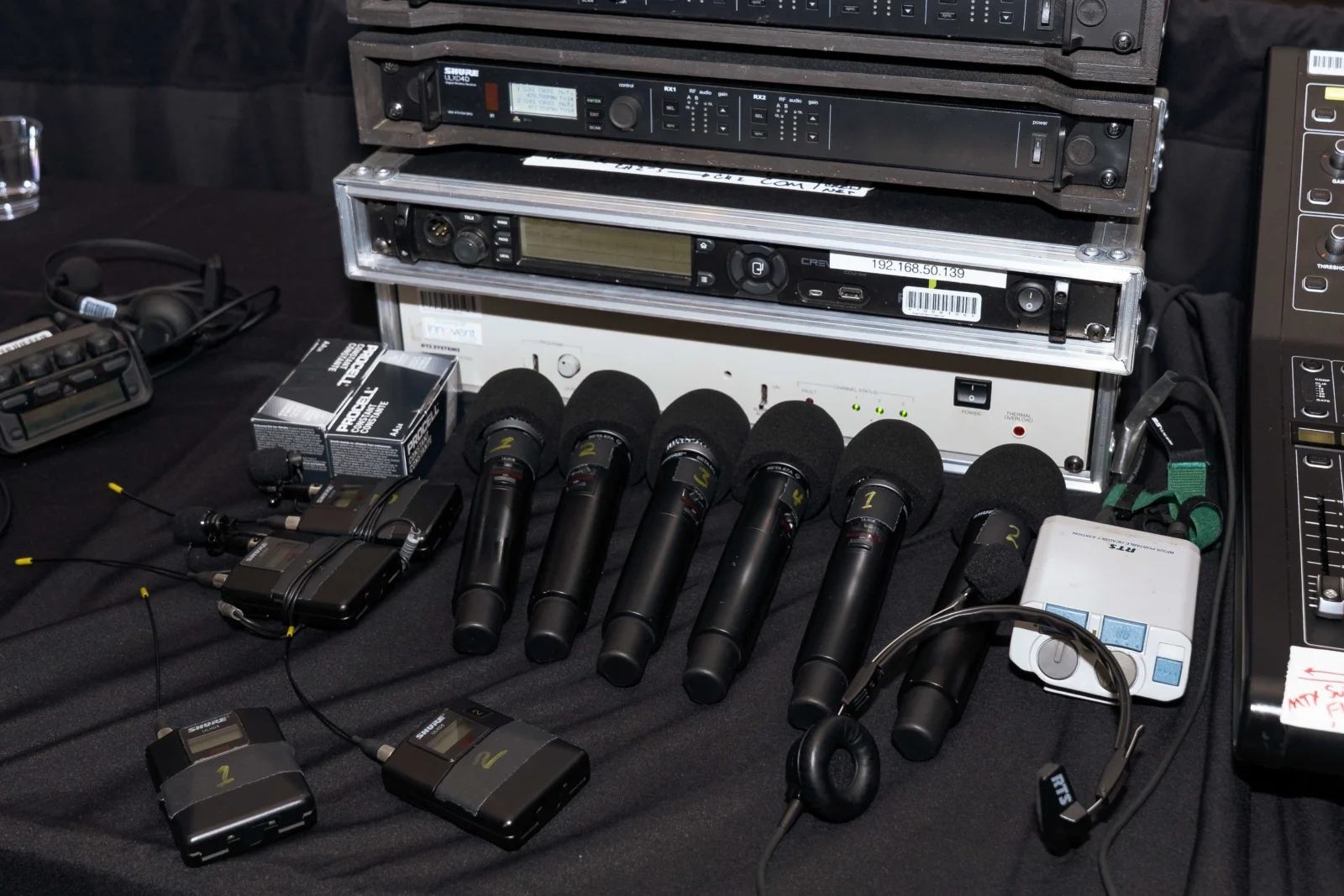
At smaller events, a basic speaker setup may be sufficient. At 1,000+ attendees, audio becomes a coverage problem rather than a volume problem. The goal is not simply to make sound louder. The goal is to ensure that sound is evenly distributed throughout the entire room.
This requires intentional audio system design. Speaker placement must account for distance, room shape, and potential reflections from walls and ceilings. Delays may be introduced to synchronize sound across different zones of the room so that attendees hear audio at the same time, regardless of where they are seated.
Without this level of planning, audio can feel inconsistent. Some areas may experience excessive volume, while others struggle with clarity. In a conference setting, where spoken content is often the primary focus, this directly impacts the audience’s ability to engage with the program.
3. Screen Strategy: IMAG, Content, or LED
As room size increases, visual strategy becomes a central production decision.
There are several approaches to displaying content:
- Projection screens for presentations
- IMAG (image magnification) to display the presenter live
- LED walls for high-impact visuals and flexible design
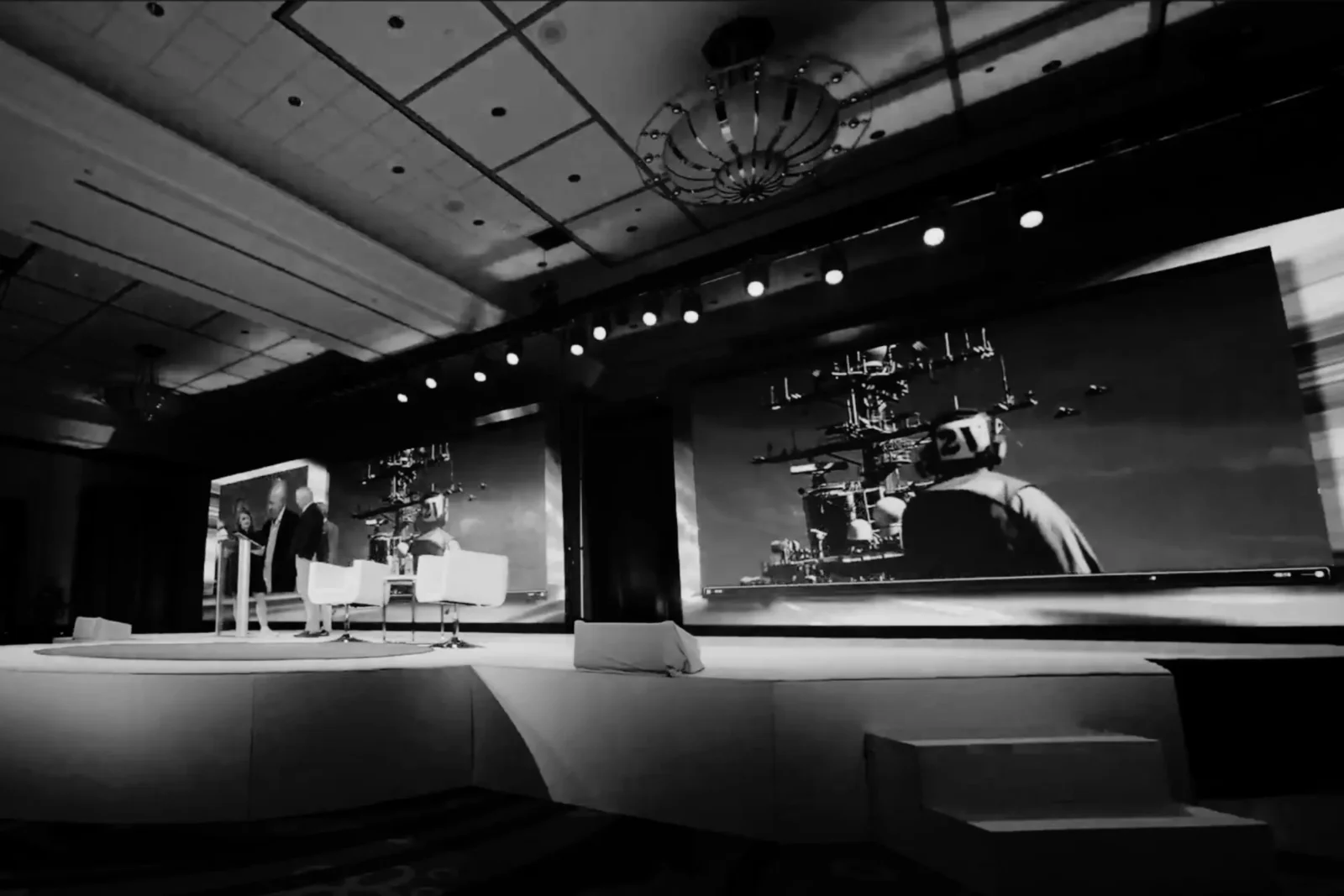
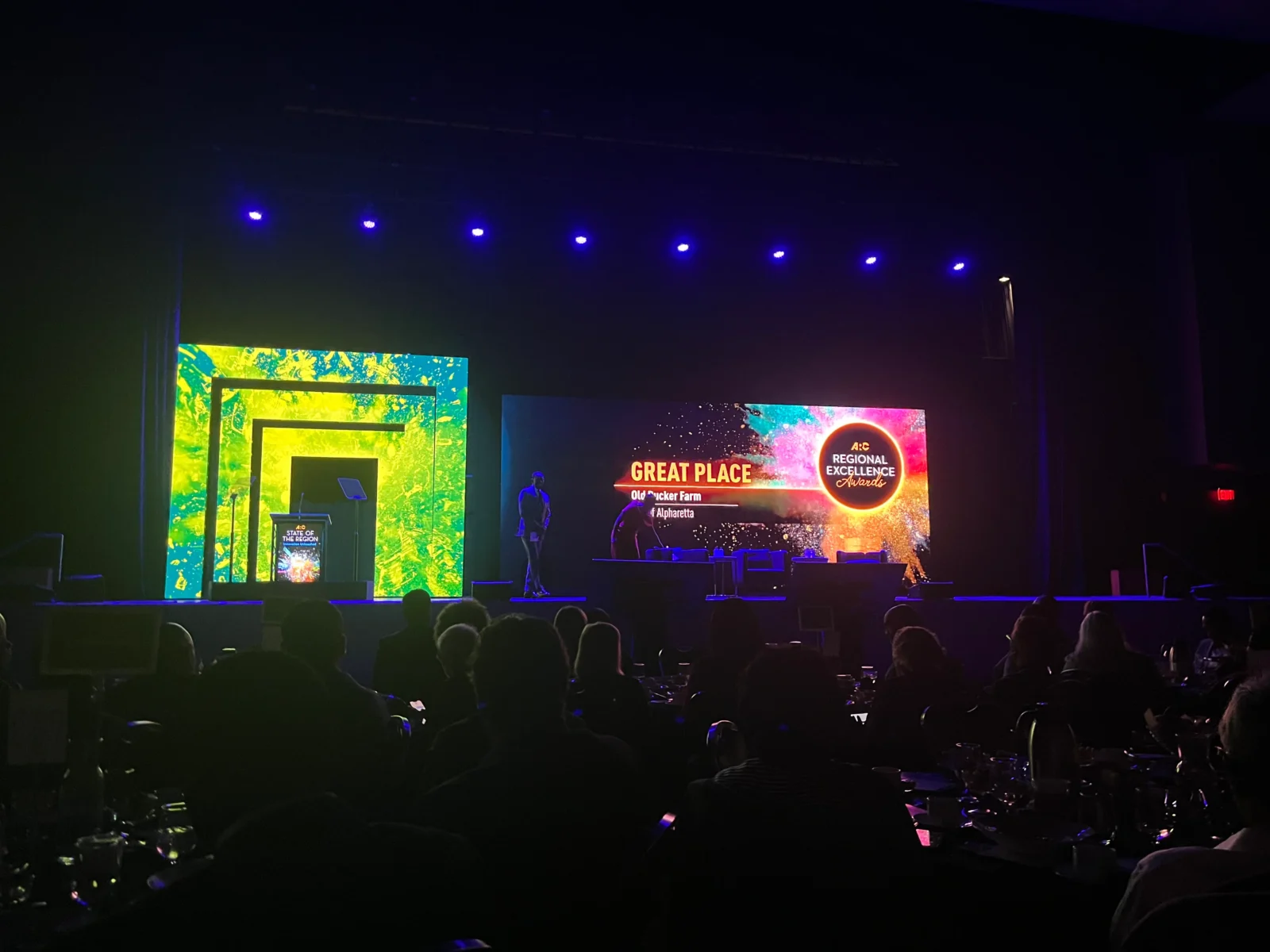
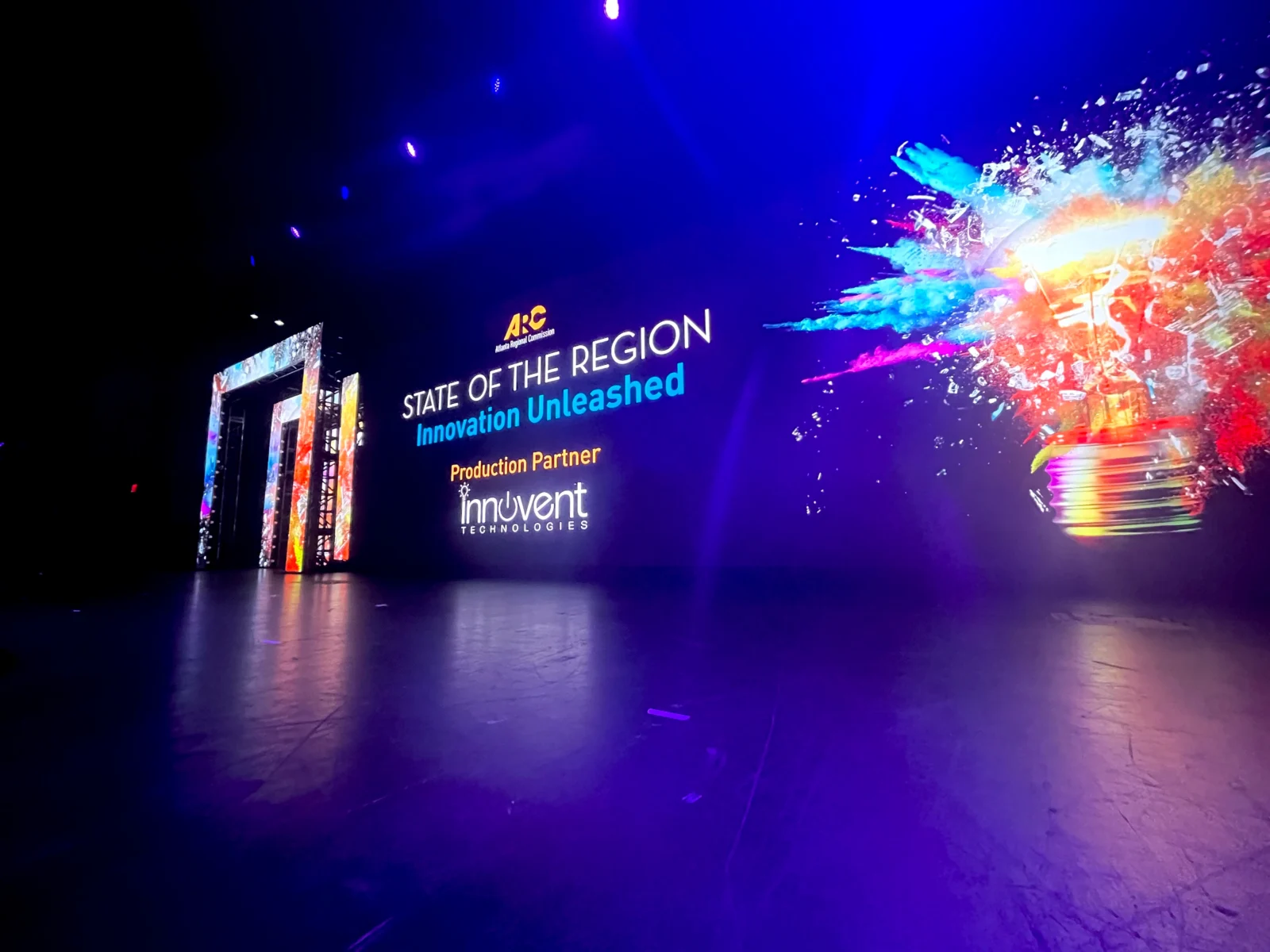
Each option carries different implications. Projection can be effective but may be limited by ambient light and screen size. IMAG improves visibility of the presenter, especially in deeper rooms. LED walls provide brightness and flexibility but require additional infrastructure and planning.
The decision is not simply about technology. It is about how attendees will consume content. In large rooms, it is common to combine these approaches to ensure both presentation materials and the presenter remain visible throughout the space.

4. General Session and Breakout Room Balance
Most conferences at this scale include multiple environments.
A general session may host the full audience, while breakout rooms support smaller discussions, panels, or workshops. These spaces must be designed to work together, not independently.
Consistency becomes important. While breakout rooms may operate at a smaller scale, they should still provide clear audio, visible content, and a comfortable environment for attendees. At the same time, resources must be allocated appropriately so that the general session maintains its impact.
Balancing these needs requires a coordinated approach. Equipment, staffing, and scheduling must be aligned across all rooms to ensure the experience feels cohesive.
5. Show Flow and Timing Across the Program
Timing becomes increasingly critical as conferences grow.
With more sessions, more speakers, and more moving parts, the schedule must be managed with precision. Transitions between segments need to be planned in advance, including how presenters enter and exit the stage, how content is loaded, and how cues are executed.
In multi-room environments, timing must also be coordinated across spaces. Delays in one room can affect the overall schedule, particularly when attendees are moving between sessions.
This is where structured planning and coordination become essential to maintaining flow throughout the program. Also read, "How AV Production Works for Conferences: In-House vs Production Teams".

6. Speaker Management and Transitions
Large conferences often involve a significant number of speakers.
Each speaker brings different needs, presentation styles, and levels of experience. Managing these variables requires a system for handling microphones, presentation content, and timing.
Transitions must be smooth and predictable. Microphone handoffs should be seamless. Presentations should be loaded and ready in advance. Speakers should understand their cues and timing before stepping on stage.
Without this structure, transitions can slow the program and disrupt the audience experience. At scale, even small inefficiencies become noticeable.

7. Rigging, Power, and Venue Infrastructure
Every venue introduces its own set of constraints.
Rigging capacity, ceiling height, power distribution, and access points all influence how production systems can be deployed. These factors must be evaluated early in the planning process to ensure that the design aligns with what the venue can support.
This is especially relevant in large convention spaces like the Georgia World Congress Center, where scale introduces additional layers of coordination.
Understanding these constraints early allows production teams to design systems that are both effective and feasible within the environment.

8. Load-In Schedule and Installation Sequencing
The installation process for large-scale conferences follows a defined sequence.
Rigging is typically installed first, followed by lighting, screens, audio systems, and control infrastructure. Each step depends on the completion of the previous one. For example, lighting fixtures must be installed and tested before certain visual elements can be finalized.
This sequencing requires coordination across multiple teams. Delays in one area can impact the entire schedule, particularly when setup windows are limited.
A structured load-in plan ensures that all elements are installed efficiently and that the system is fully tested before the event begins.
9. Redundancy and Risk Mitigation Planning
At 1,000+ attendees, reliability becomes a primary concern.
Redundancy is built into production systems to reduce the risk of failure. This may include backup signal paths, duplicate equipment, and contingency plans for key components.
While these measures are often invisible to attendees, they play a critical role in ensuring that the program continues without interruption.
Planning for potential issues in advance allows teams to respond quickly and maintain continuity during the event.

10. Centralized Show Control Across All Rooms
The final decision that shapes large-scale production is how control is managed.
In multi-room conferences, content, timing, and transitions must be coordinated across all spaces. Centralized control systems allow production teams to monitor and manage these elements from a unified position.
This ensures that general sessions, breakouts, and auxiliary spaces remain aligned throughout the program.
Without centralized control, events can feel fragmented. With it, the entire conference operates as a cohesive system.
You can see how this level of coordination is executed across different environments (view Innovent Technologies AV Production Case Studies).
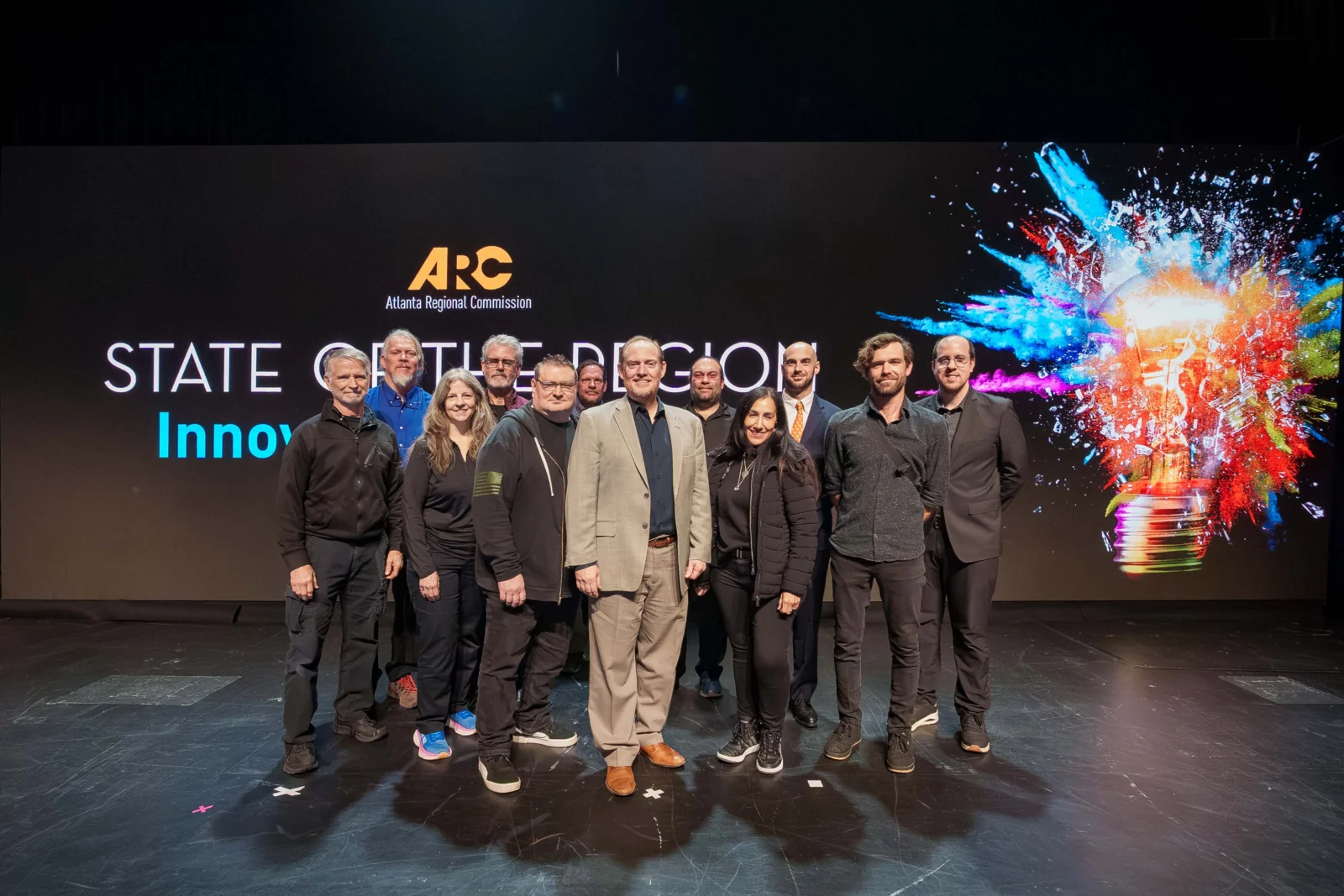
Large-scale conference production is defined by coordination.
Each of the decisions outlined above contributes to a broader system that supports the program as a whole. When these decisions are made intentionally, the result is a clear, reliable, and professional environment that allows presenters to focus on their message and attendees to stay engaged.
At Innovent Technologies, this system-level approach is applied from the earliest stages of planning through final execution. It is what allows complex programs to operate with clarity and consistency.
If you are preparing for a conference at this scale and want to build the production with structure from the start, you can learn more about our team and approach , explore additional resources, or connect directly to discuss your program.