When planning a conference or corporate event, one of the earliest production decisions is whether to work with a venue’s in-house AV provider or bring in an external event production company.
Both approaches can work. The difference comes down to the scale of the event, the level of control required, and how important the production environment is to the overall experience. As programs grow in complexity, this distinction becomes more pronounced across large-scale conferences. Understanding how these two models operate helps planners make a more informed decision early in the process.
Understanding the Two Approaches
In-House Hotel AV
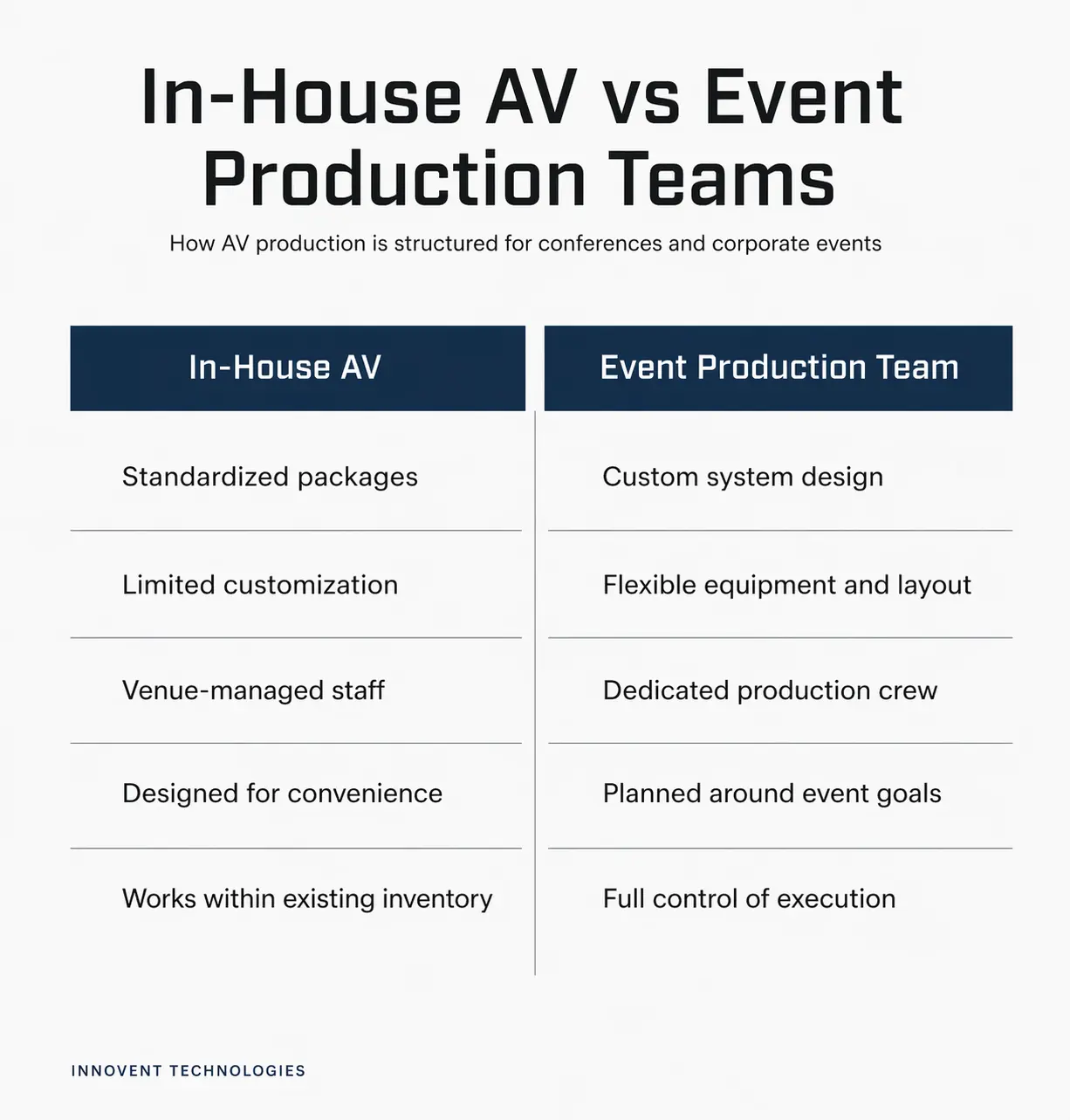
In-house AV services are typically integrated into the venue’s operations or provided through an exclusive partner. These teams are familiar with the space, have predefined equipment packages, and are structured to support a wide range of events moving through the property.
This model is designed for efficiency and convenience, particularly for events with straightforward technical needs.
It’s also important to understand how the hotel AV business model typically works behind the scenes. In most hotel environments, the in-house AV provider may pay a commission to the venue, often ranging from approximately 40% to 50% of gross revenue depending on the agreement and property structure.
Because of this, a $100,000 in-house AV proposal may not be necessarily structured the same way as a $100,000 proposal from an independent third-party production partner. While both approaches can support successful events, the pricing models, equipment allocation, labor structure, and overall production flexibility may differ significantly.
Event Production Company
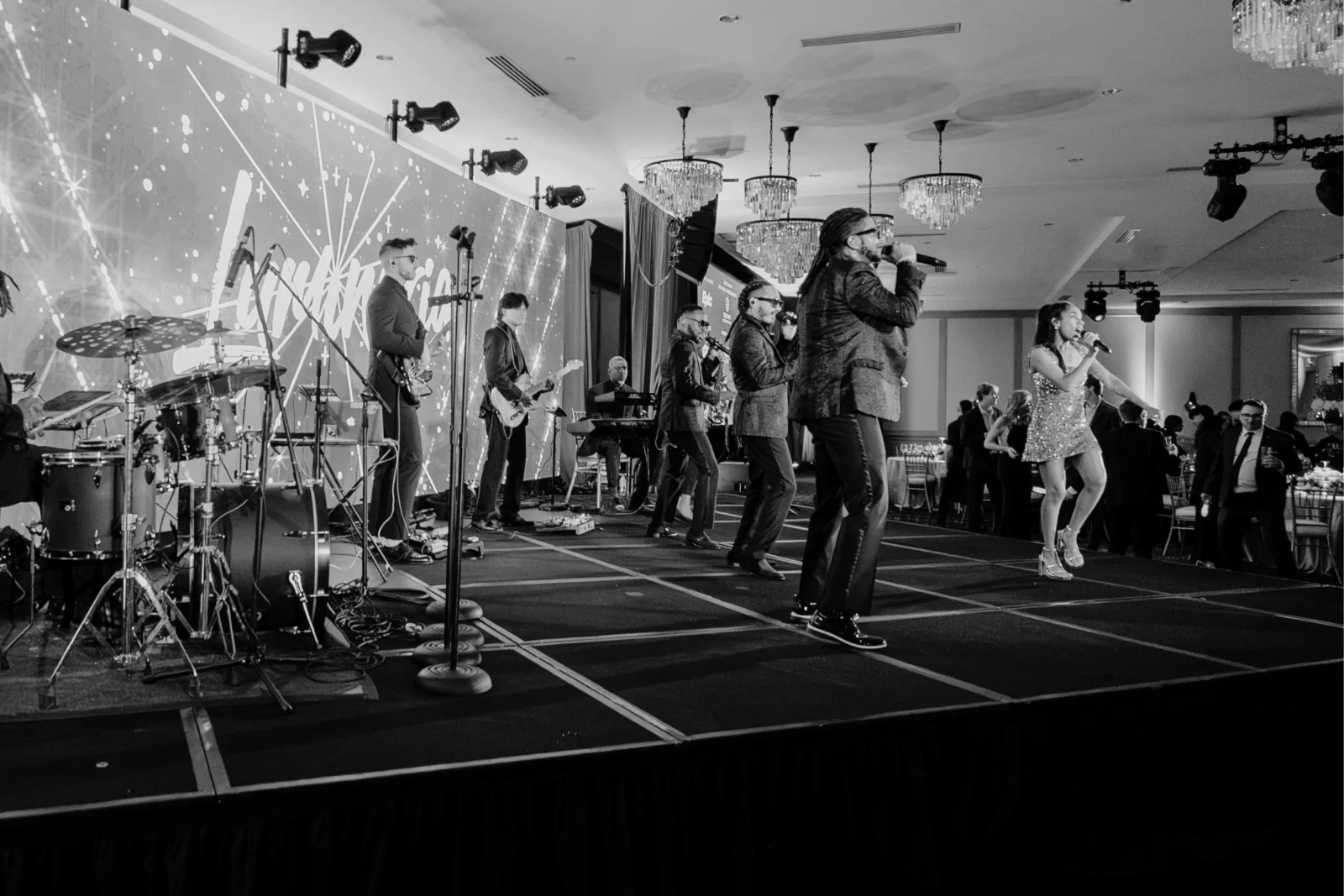
An event production company is brought in directly by the planner to design and execute the full technical environment. This often includes audio, video, lighting, staging, show control, scenic integration, and overall production coordination.
Production teams are typically involved earlier in the planning process, helping define how the space will function, how attendees will move through the environment, and how each technical system supports the program experience.
At Innovent Technologies, this process begins well before load-in through collaborative planning, technical coordination, and detailed CAD layouts that map the production environment in advance. This approach allows production, venue operations, staging, lighting, audio, video, and labor planning to be coordinated together before equipment ever arrives onsite.
You can learn more about how this process works in our guide to CAD Drawings and event production planning.
Where In-House AV Works Well
In-house AV can be a strong fit for certain types of programs, particularly when production requirements are straightforward and speed of coordination is a priority.
Examples include:
• Small meetings or internal sessions
• Events with limited staging, lighting, or scenic requirements
• Programs operating within standardized room setups
• Events that prioritize convenience and simplified coordination over customization
In these situations, working within the venue’s existing AV system can streamline communication, reduce planning complexity, and provide an efficient solution for the event environment.
Where Event Production Teams Add Value
As the scale, visibility, and technical complexity of an event increase, production requirements often expand beyond standardized AV packages.
Event production teams are commonly brought in for:
• Multi-day conferences with general sessions, breakouts, and layered scheduling
• Programs featuring multiple content formats, including keynotes, panels, awards, live demonstrations, and video playback
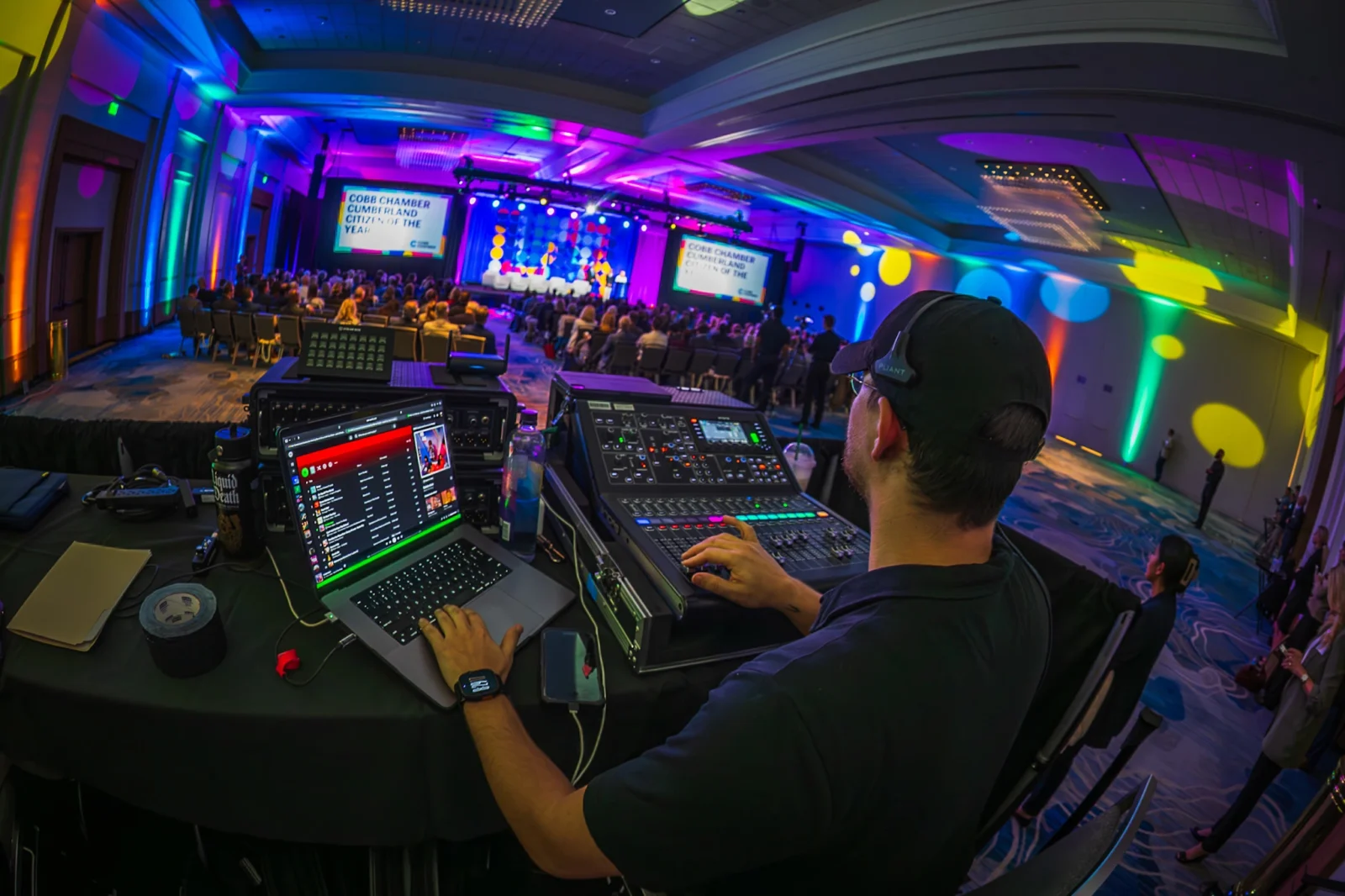
• Events requiring custom staging, scenic integration, architectural lighting, or large-format video systems
• Environments where audience experience, brand presentation, and show flow are central priorities
• Programs requiring coordination across multiple technical systems, vendors, and venue departments
These environments benefit from a more structured production approach where audio, video, lighting, staging, labor, and show execution are designed specifically around the event itself rather than adapted from a preset package.
Click here to view South Metro Development Outlook Conference | Atlanta AV Production by Innovent Technologies
Key Differences That Impact the Event
Planning and Pre-Production
In-house AV is typically scoped after the event is booked, using standard packages tied to the venue.
Production teams begin with planning. This includes system and event technology design, coordination with the venue, and detailed layouts that define how the space will function before equipment is ever deployed. Our approach to event production services focuses on building these systems early so execution is predictable on site.
Equipment and Flexibility
In-house providers generally work from a fixed inventory designed to service a wide range of events.
Production teams bring equipment based on the specific needs of the program. This allows for greater flexibility in screen size, lighting design, audio coverage, and overall layout.
You can explore how these systems come together across audio, video, and lighting on our video production services and event lighting services pages.
On-Site Execution
Execution is where the differences become most visible.
In-house teams are often structured to support multiple events within the venue, with staffing assigned based on availability.
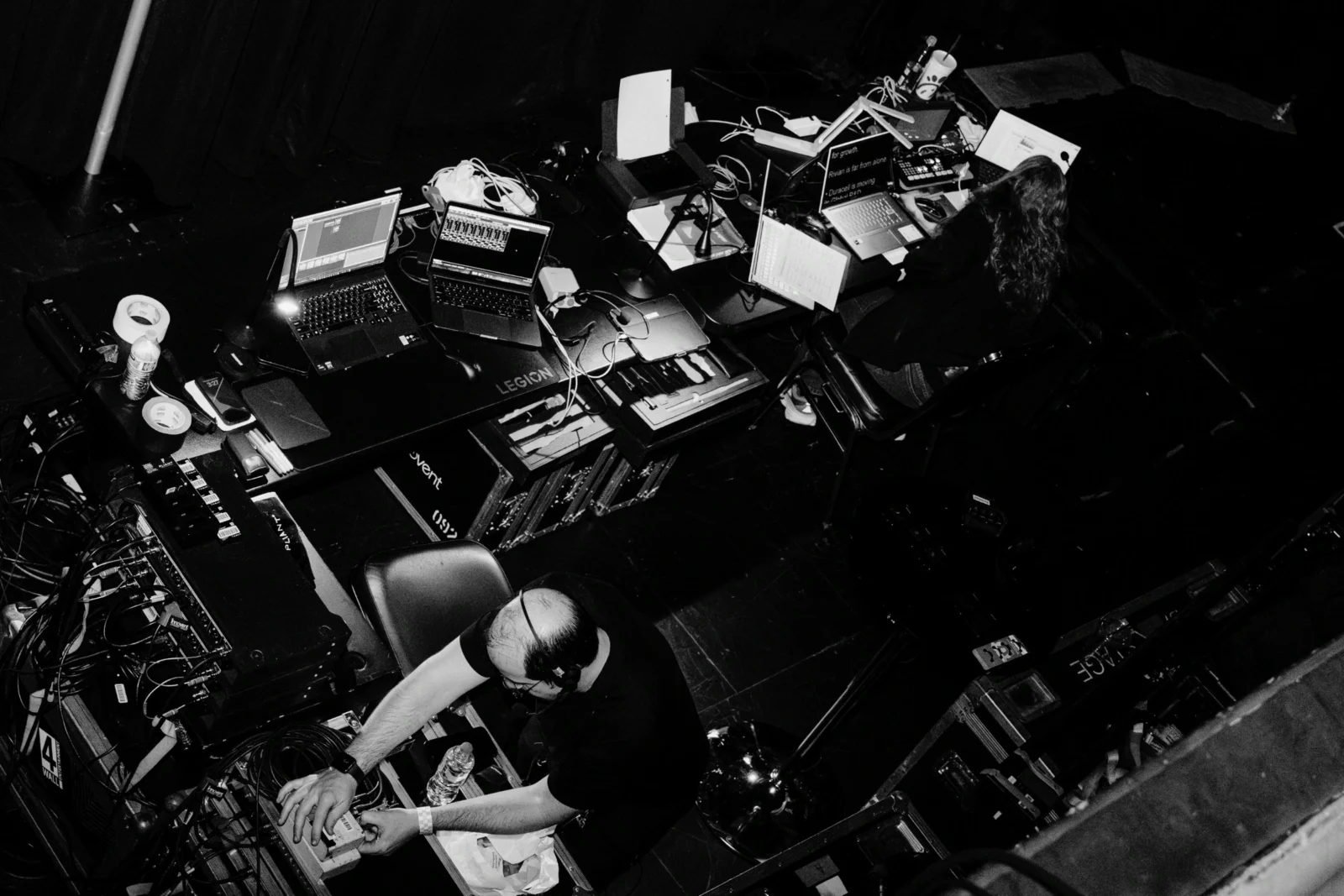
Production teams operate with a dedicated crew focused solely on the program. Roles are clearly defined, communication is centralized, and the show is managed as a complete system from start to finish.
This level of control becomes critical for programs with tight schedules, multiple sessions, or high visibility.
Click here to view Synovus Financial Executive Meeting | Atlanta AV Production by Innovent Technologies
The Difference Most Planners Don’t See
The distinction between these two approaches is not just about equipment.
It is about how the system is designed, coordinated, and executed across the entire event.
Strong production is not created on the show day. It is built through planning, alignment, and clear execution strategies that carry through from concept to load-out.
You can see how this comes together across different programs on our Productions Page, where each event is approached as a complete environment rather than a collection of individual services.
How to Choose the Right Approach
The right choice depends on the needs of the event.
Consider:
- What is the scale and complexity of the program?
- How important is production to the attendee experience?
- Do you need a partner involved in planning, or support during execution?
- How much flexibility is required in design and equipment?
For simpler programs, in-house AV may be the right fit.
For larger or more complex events, planners often choose to bring in a production partner to maintain control over the environment and ensure the final result aligns with the original vision.
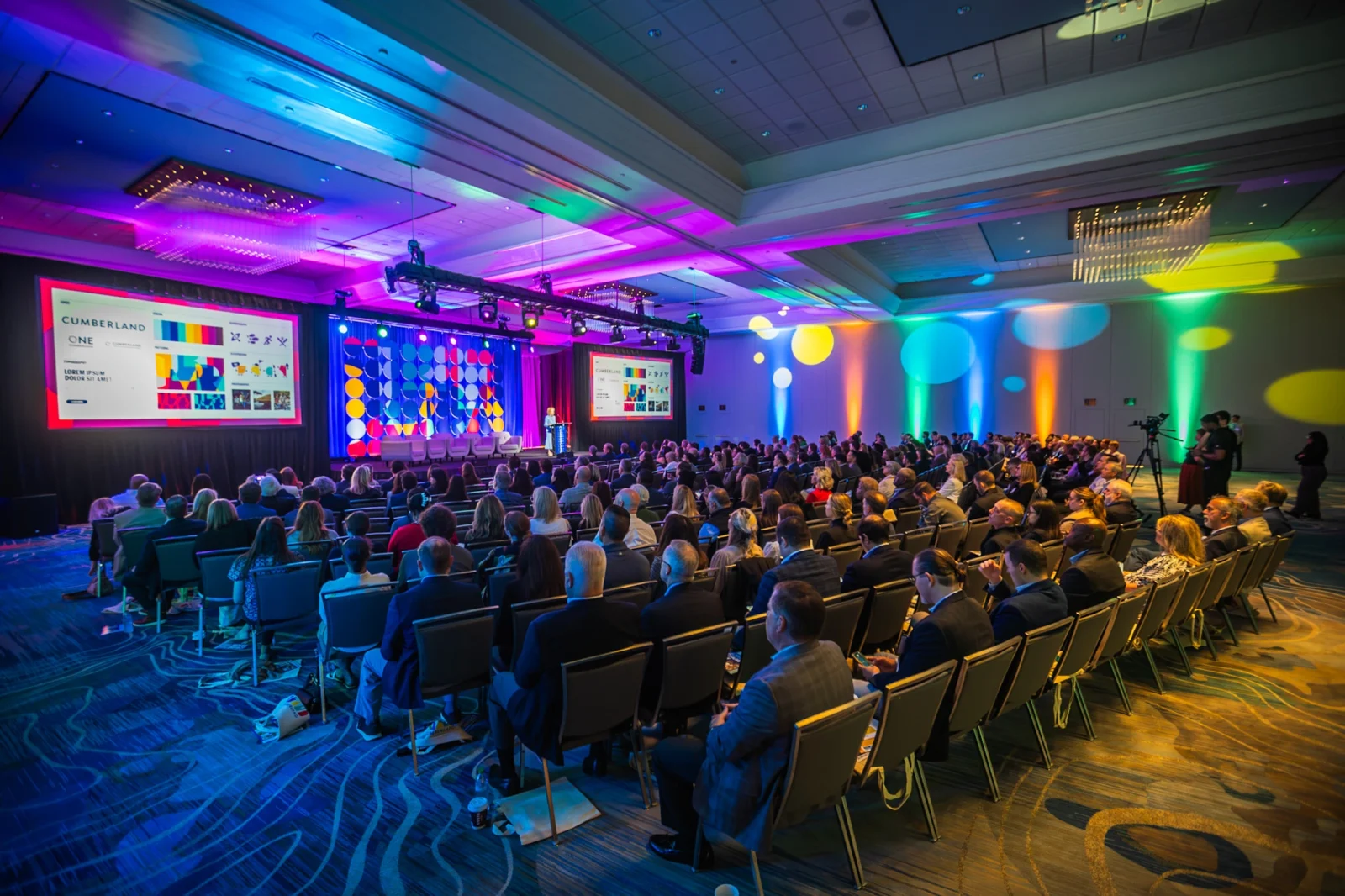
Click here to view Cumberland CID Annual Meeting | Atlanta AV Production by Innovent Technologies
Key Takeaway
Both in-house AV and event production companies play a role in the event industry.
The key is understanding how each approach aligns with the goals of your program.
When production is central to the experience, a structured, system-driven approach allows for greater clarity, control, and consistency from start to finish.