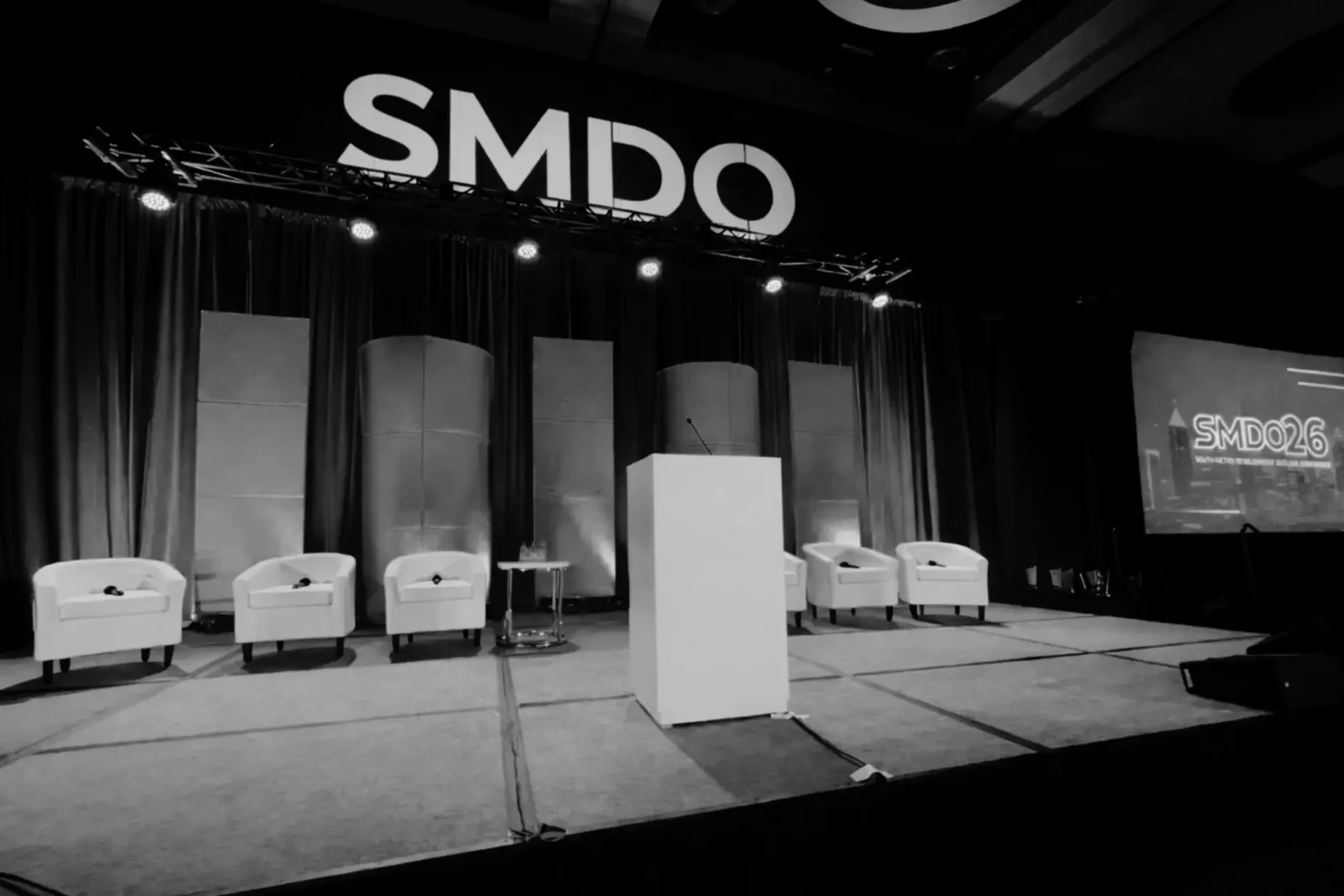
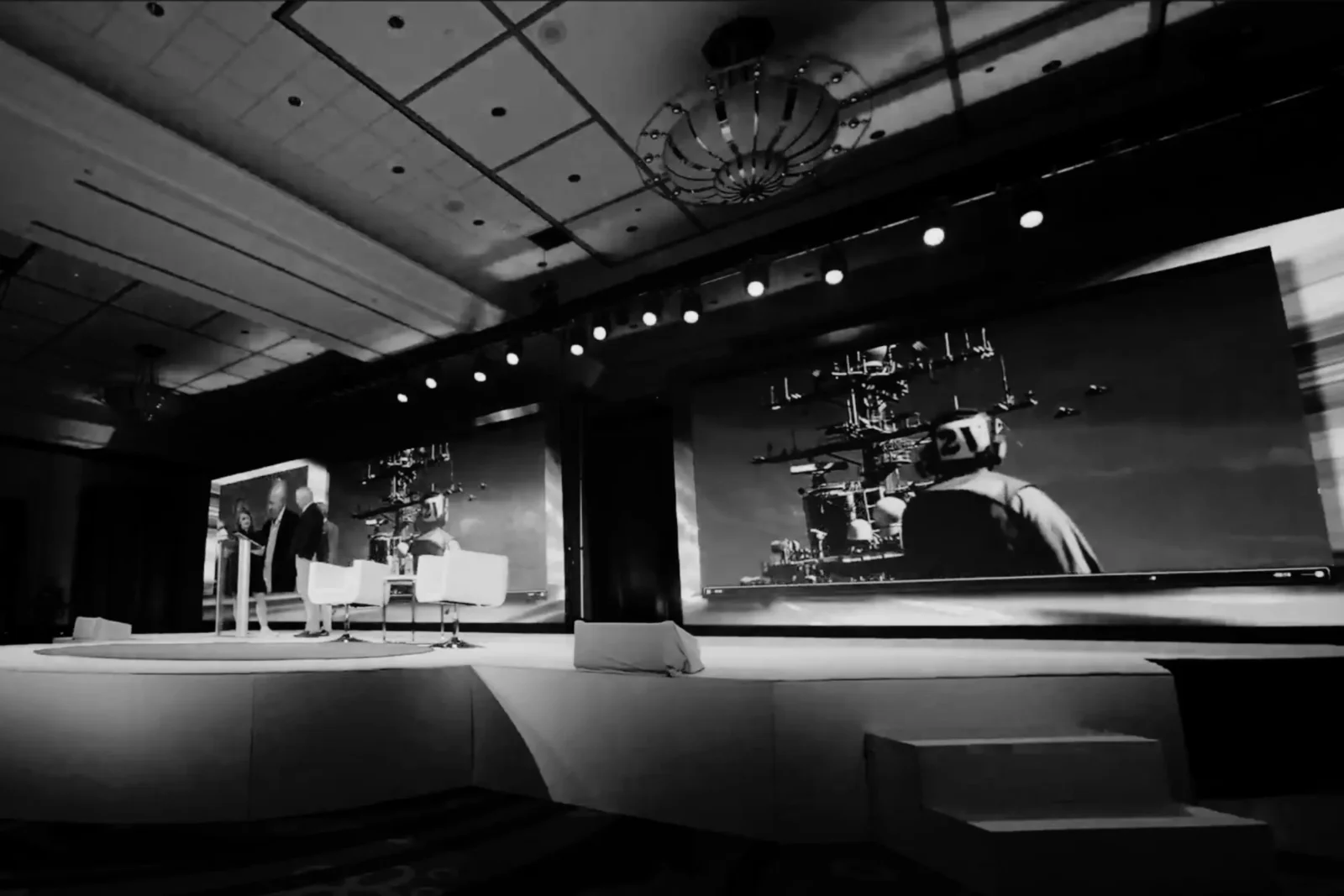
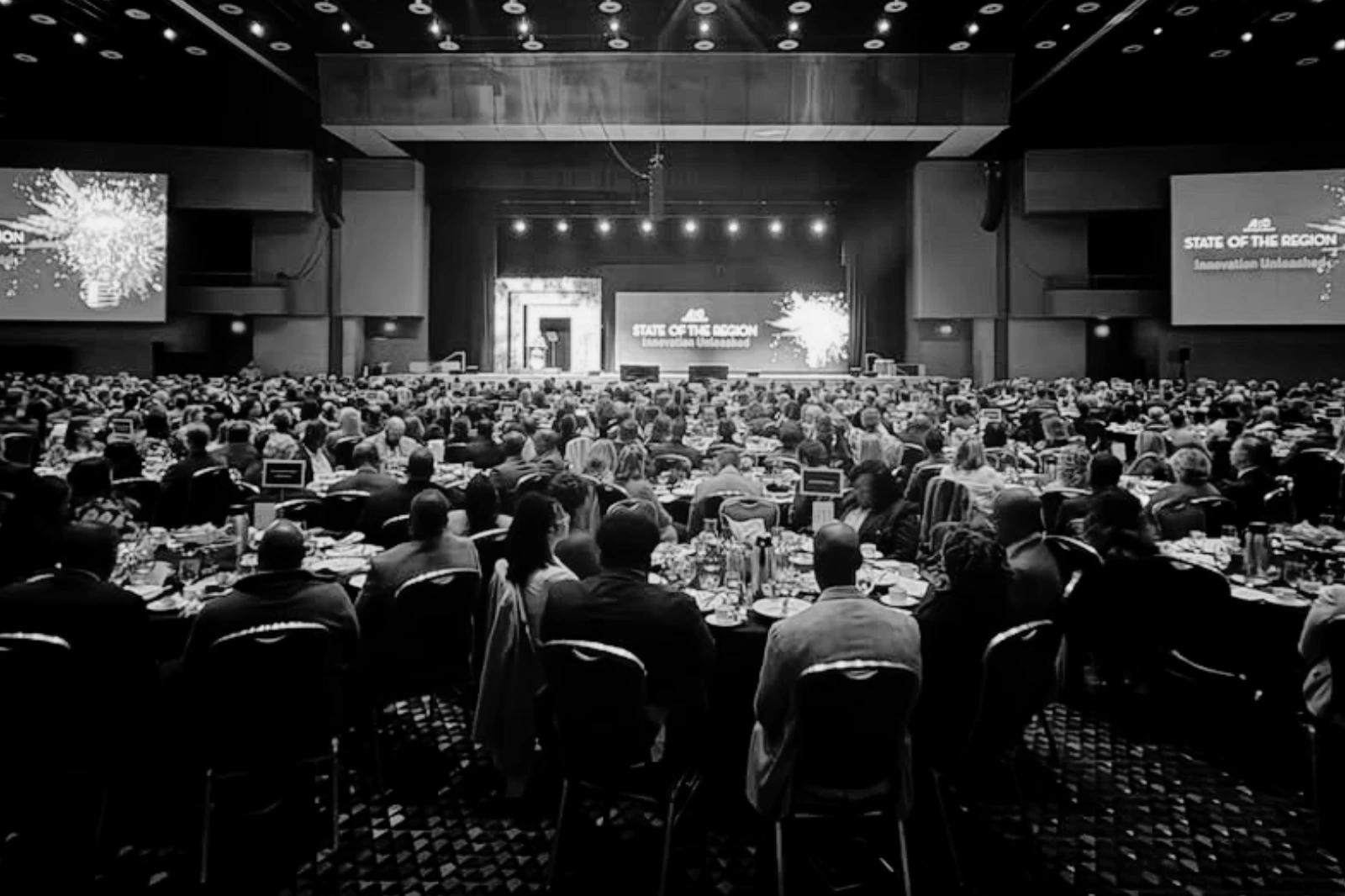
Planning a corporate conference often involves hundreds of decisions, but a handful of them tend to have an outsized impact on the attendee experience, production requirements, and overall budget.
Venue selection, production planning, and budget decisions are rarely independent of one another. A venue that looks ideal on paper may introduce infrastructure challenges that affect production costs. Production requirements may shape room configurations and staffing needs. Budget decisions made early can limit flexibility later. Understanding how these three elements interact from the start leads to better decisions throughout the planning process.
Whether you're organizing an executive meeting, user conference, annual meeting, leadership summit, or internal corporate event, understanding how these decisions work together can help create a smoother planning experience and reduce unexpected costs as the event approaches.
Defining What Success Looks Like
Production recommendations should support the goals of the event, not simply the agenda. A leadership summit may prioritize executive presence and clear communication. A user conference may place greater emphasis on education, demonstrations, and attendee engagement. A fundraising event may focus on storytelling, audience experience, and pacing throughout the program.
Establishing a shared understanding of success early in the planning process can help guide decisions related to room layouts, production design, staffing, and technology investments. It also creates a stronger framework for evaluating potential tradeoffs when venue, budget, or schedule constraints arise.
As discussed in How AV Production Works for Conferences: In-House vs Production Teams, effective production planning often begins with understanding the objectives of the event before determining the technology needed to support them.
What Should Be Determined Before Touring Venues?
One of the most common planning mistakes is beginning the venue search before fully understanding the event itself. Before scheduling site visits or requesting proposals, planners should establish several foundational elements:
- Expected attendance
- General session requirements
- Number of breakout sessions
- Registration needs
- Networking opportunities
- Exhibitor or sponsor requirements
- Content delivery expectations
- Recording or streaming requirements
Two conferences with identical attendance numbers can have completely different venue requirements. A 120-person leadership retreat focused on discussion and collaboration needs different space than a 120-person user conference with keynote presentations, multiple breakout rooms, and sponsor activations. Headcount is one input; event format, content delivery expectations, and attendee experience goals are what actually determine whether a venue is the right fit.
The more clearly the event objectives are defined before venue selection begins, the easier it becomes to evaluate whether a particular venue can support the desired attendee experience.

Questions to Ask Before Signing a Venue Contract
Venue selection often extends far beyond room capacity and guest room availability. The venue becomes the operating environment for the event, which means infrastructure and logistics can significantly influence both production planning and budget.
Before signing a venue contract, involving your AV production partner in the evaluation process can help surface infrastructure and logistics questions that are easy to overlook. Here are key considerations to work through together:
What internet services are available?
Internet requirements vary dramatically between events. A board meeting may only require standard guest access, while a multi-day conference may depend on dedicated bandwidth for presenters, exhibitors, production systems, registration platforms, livestreaming, or event applications.
Many hotels and venues offer internet services directly, but third-party internet providers are also available in certain situations. Depending on the venue, event requirements, and pricing structure, an external provider may be a viable option. Your AV or production partner can often help evaluate available solutions, obtain quotes, and determine the most appropriate approach for the event.
Internet is frequently underestimated during budgeting and can become a significant line item depending on event requirements.
What are the loading and access restrictions?
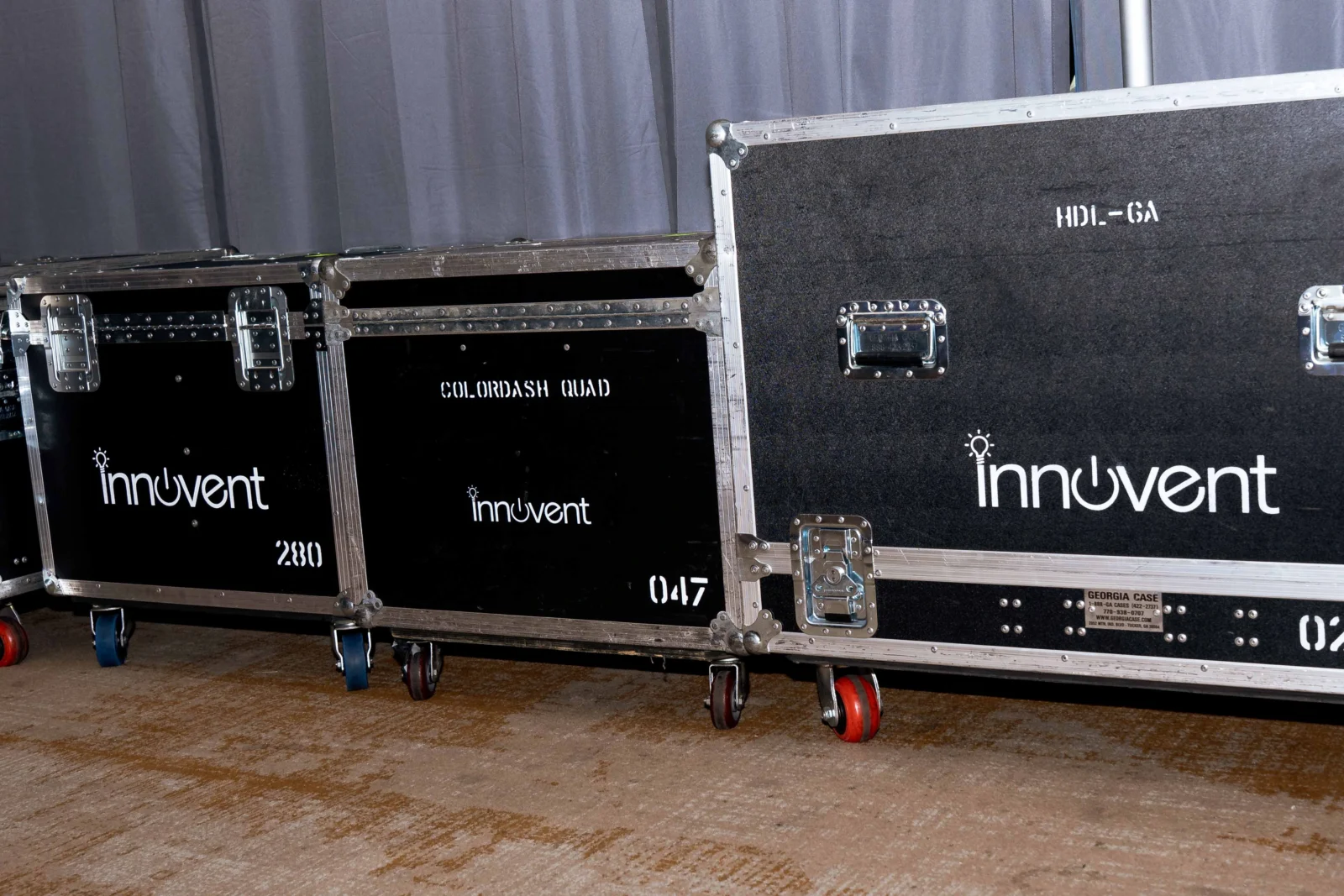
Equipment, staging, displays, and production materials all need to move efficiently into the venue. Loading dock access, freight elevator availability, move-in windows, labor requirements, and venue operating procedures can all influence setup schedules and production costs. Understanding these logistical considerations early helps planners develop realistic timelines and allows production teams adequate time for installation, testing, and rehearsals before attendees arrive.
Are there restrictions on outside vendors?
Some venues allow planners complete flexibility in selecting production partners, while others have preferred vendor programs, exclusivity agreements, or specific operating requirements. Understanding these policies early can help planners evaluate available options, compare proposals accurately, and ensure all stakeholders have a clear understanding of responsibilities throughout the planning process.
How close are breakout rooms to the general session space?
Room proximity can have a significant impact on attendee flow and the overall conference experience. Long travel distances between sessions may affect schedules, create congestion during transitions, and reduce time available for networking or educational content. Reviewing floor plans early can help planners understand how attendees will move throughout the venue and identify potential operational challenges before the event begins.

Does the venue support the production vision?
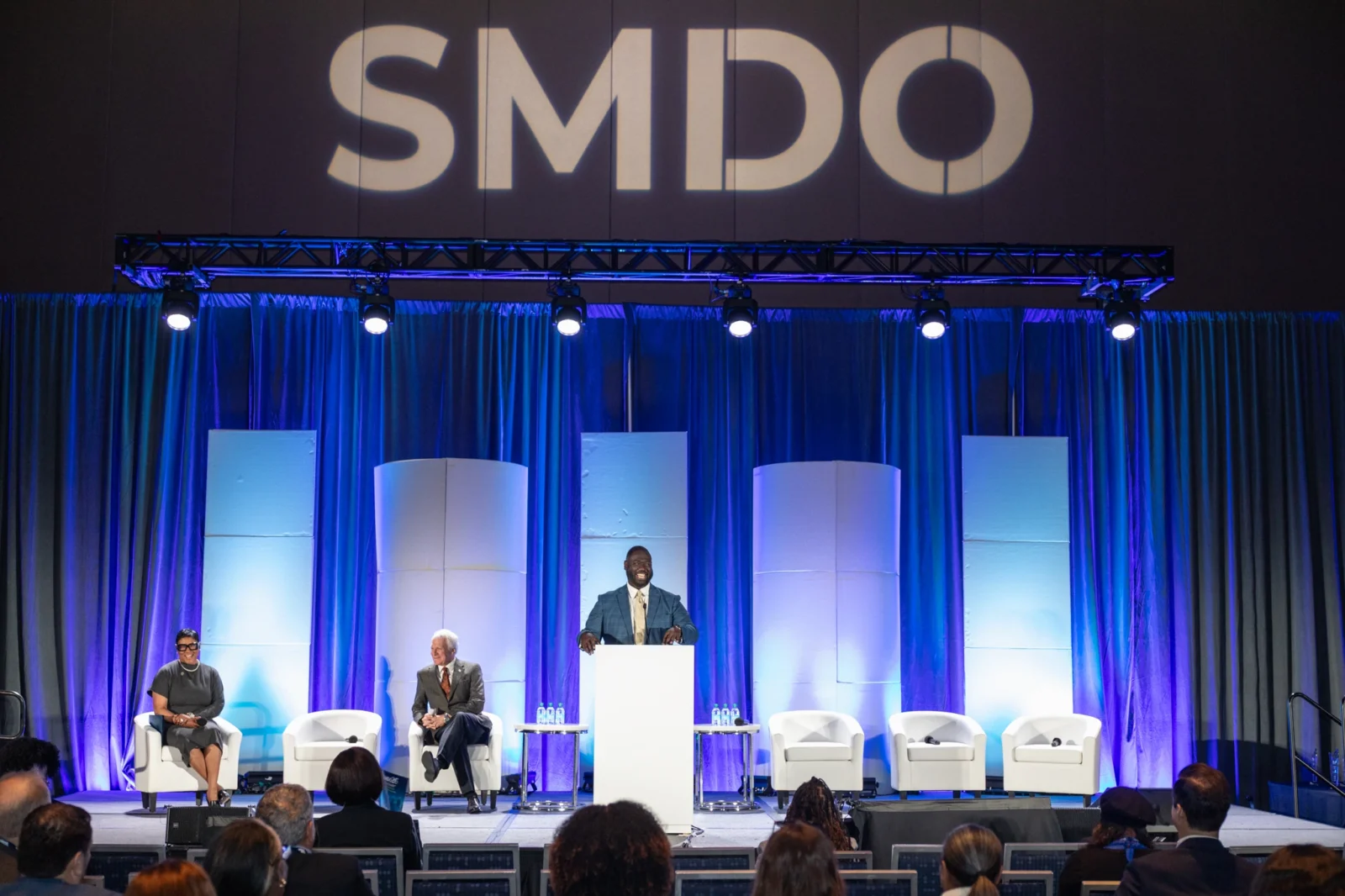
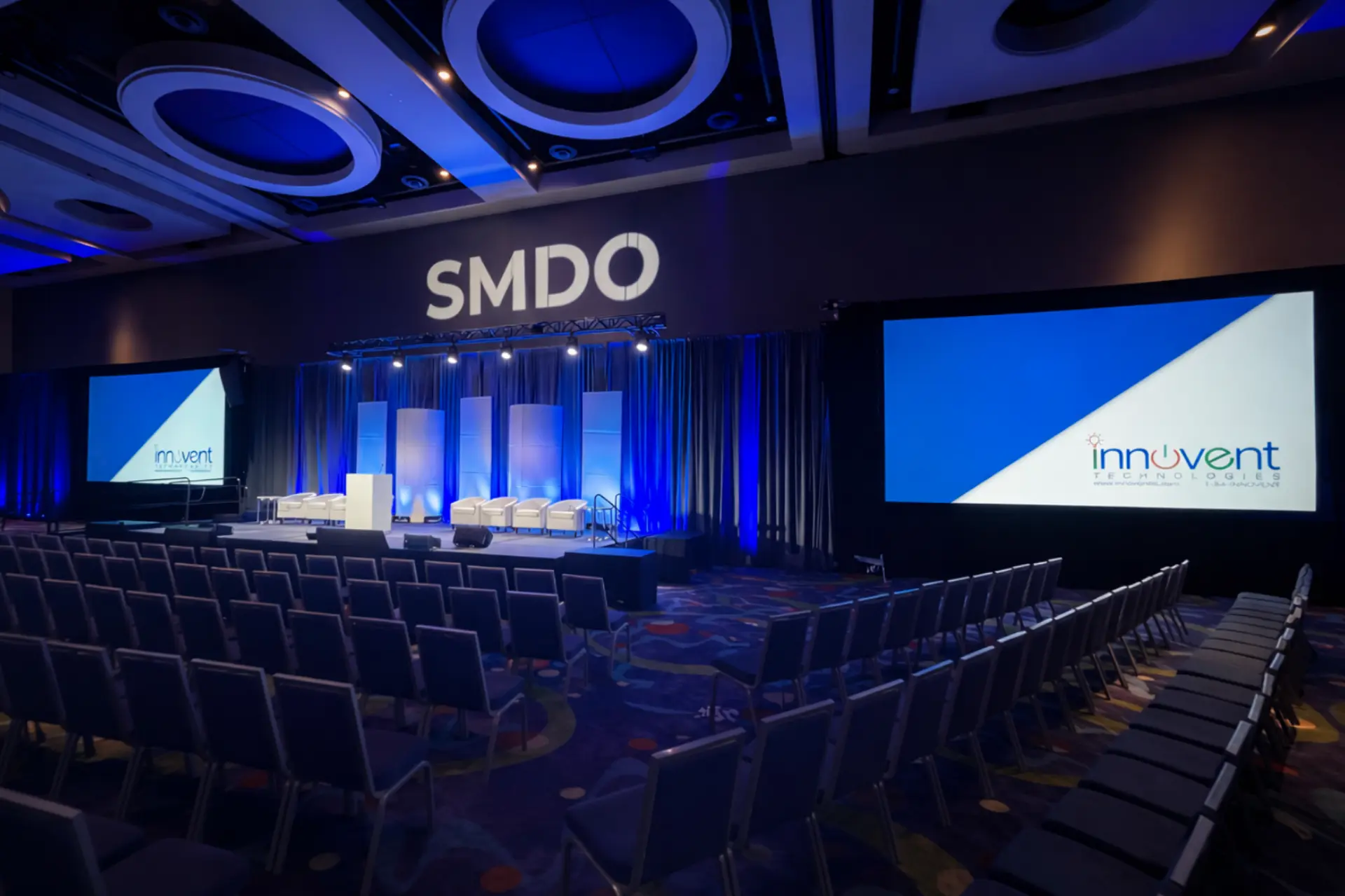
Ceiling height, rigging availability, room dimensions, sightlines, column placement, and power access all directly affect what is possible from a production standpoint. A room that works well for a seated dinner may not support the staging, display systems, or lighting required for a general session.
Reviewing these factors with a production partner before signing a contract helps determine whether the venue can support the desired attendee experience, and avoids costly workarounds later. For larger conference environments, these considerations are explored further in our article on Planning AV Production at the Georgia World Congress Center.
Start Planning AV Production Early
Production planning is most effective when it begins while venue, agenda, and budget conversations are still open. Once a venue contract is signed and an agenda is set, certain decisions become fixed; room configurations, rigging options, setup timelines. Bringing a production partner in before those decisions are finalized creates room to evaluate layouts, identify infrastructure considerations, and develop accurate cost estimates before the budget is locked. The goal isn't to finalize technical details months in advance; it's to make sure production requirements have a seat at the table when foundational decisions are being made.
As discussed in Why Event Technology Outcomes Depend on Early Production Team Involvement, earlier involvement creates flexibility, improves communication among stakeholders, and helps identify challenges before they affect the event timeline.

Production Considerations That Influence Conference Planning
The most valuable production conversations start with the event itself, not the equipment. Understanding the goals, audience, content structure, and logistical requirements of a conference is what allows a production team to make recommendations that actually serve the attendee experience. Microphones, displays, lighting, and staging are the outputs of that conversation — not the starting point.
Content Management
Content management can quickly become one of the most important operational details of a conference. Presentations, videos, walk-on music, sponsor recognition, panel slides, and live demonstrations may all need to be organized, tested, and cued at specific moments throughout the program.
Understanding how content will be collected, reviewed, updated, and played back helps reduce confusion during rehearsals and show operation. It also helps determine whether presentations should be managed from a central show computer, individual presenter laptops, or another workflow entirely.
Concurrent Sessions
Concurrent programming affects more than equipment quantity. General sessions, breakout rooms, workshops, executive meetings, and networking areas may each require different levels of support, depending on the agenda and attendee expectations.
Understanding the full room schedule helps determine how many technicians are needed, where support should be positioned, how transitions will be managed, and whether rooms should be equipped consistently or customized by session type. This is especially important for multi-day conferences where room usage may change throughout the program.
Speaker Preparation and Rehearsals
Rehearsals are often where technical details and presenter expectations come together. They allow speakers to review content, confirm timing, test videos, practice transitions, and become familiar with microphones, confidence monitors, stage positions, or presentation controls.
For planners, rehearsal time can also reveal issues that are difficult to identify on paper. A video may not play correctly, a presentation may need formatting adjustments, or a speaker may need a different setup than originally expected. Building rehearsal time into the schedule helps reduce pressure once attendees are in the room.
Budget Items That Frequently Surprise Conference Planners
Most planners anticipate costs related to venue rental, food and beverage, and AV production. However, several additional considerations can influence the overall event budget and are often discovered later in the planning process.
Dedicated Internet
Internet requirements are often determined by the program itself. Registration platforms, livestreaming, hybrid participation, production systems, event applications, and exhibitor requirements may all rely on dedicated connectivity.
Many venues offer internet services directly, while others may allow third-party providers depending on the facility and event requirements. Understanding these options early can help planners evaluate costs, compare solutions, and avoid unexpected expenses as technical requirements become more defined.
Power Distribution
Power is available throughout most meeting facilities, but not always where it is needed. As room layouts, stage locations, registration areas, sponsor activations, and production elements are developed, additional power distribution may be required to support the event design. Evaluating these requirements during the planning process can help avoid last-minute changes and provide a more accurate understanding of overall event costs.
Rigging
Rigging requirements are often influenced by the venue, room configuration, and production goals. Display systems, lighting packages, scenic elements, and other production infrastructure may require support from the building's rigging system. Understanding these requirements early can help planners evaluate venue suitability, coordinate with facility teams, and avoid adjustments later in the planning process that could affect budget or production design.
Labor
Production proposals typically include more than equipment. Setup, rehearsals, show operation, technical support, room transitions, and strike activities all require personnel and contribute to the overall scope of work. Knowing how labor supports the attendee experience can help planners evaluate proposals more effectively and gain a clearer picture of the resources required to execute the event successfully.

Room Changes
Room layouts often evolve as agendas develop, attendance numbers change, and stakeholder priorities become more defined. While adjustments are a normal part of the planning process, significant changes made closer to the event date can affect labor schedules, production timelines, room setups, and equipment requirements.
Establishing key program elements early and maintaining clear communication among planning partners can help minimize disruptions while providing greater confidence in budget projections throughout the planning process.
Rehearsals
Rehearsals are frequently viewed as an operational task, but they can have a meaningful impact on the overall event experience. They provide an opportunity for presenters, organizers, and production teams to align expectations, verify content, confirm timing, and become familiar with the event environment before attendees arrive.
In addition to reducing stress on event day, rehearsals often help identify opportunities for improvement that may not be apparent during the planning process. For many conferences, the time invested in rehearsal contributes directly to a more polished and predictable program.
While every event is different, understanding these considerations early can help planners develop more accurate budgets, establish realistic timelines, and reduce the likelihood of unexpected costs later in the planning process.
How Venue, AV, and Budget Decisions Affect One Another
One of the most important realities of conference planning is that venue, production, and budget decisions are rarely independent of one another. Decisions made in one area often influence opportunities, limitations, and costs in another.
Venue selection can affect production requirements. Production requirements can influence room layouts and staffing needs. Budget decisions may shape technology recommendations, scheduling considerations, or event design priorities. As planning progresses, each decision contributes to a larger framework that ultimately shapes the attendee experience.
Consider a common scenario: a venue is selected based on competitive room rental rates and a convenient location. During production planning, it becomes clear the room requires additional rigging infrastructure, has limited power access near the stage, and doesn't support the display configuration originally envisioned. Addressing those gaps shifts budget from other priorities and compresses the planning timeline. None of those costs were hidden, they were just discovered too late to evaluate alternatives. Bringing venue, production, and budget into the same conversation earlier is what prevents that scenario.
The most successful conferences are often the result of coordinated planning conversations where venue requirements, production objectives, and budget considerations are evaluated together. This collaborative approach helps planners make informed decisions, identify potential challenges earlier, and create a stronger foundation for event execution.
Key Takeaway
Corporate conferences involve far more than securing meeting space and arranging audiovisual equipment. The decisions made during the planning process often shape the attendee experience long before the first presentation begins.
By defining event objectives early, asking venue-specific questions, involving production partners at the appropriate stage, and understanding the budget implications of key decisions, planners can create a more efficient planning process and position their events for success.
Every conference is different, but the relationship between venue, AV, and budget remains consistent; decisions in one area shape the options available in the others. Planners who understand that connection early are better positioned to make informed decisions, avoid unnecessary surprises, and create an attendee experience that reflects the goals of the event.
At Innovent Technologies, we work alongside event planners throughout the production planning process, helping evaluate venue considerations, technical requirements, and budget priorities while developing solutions tailored to the goals of each event. As a trusted AV production partner, our objective is to help create successful experiences for attendees while providing confidence and clarity throughout the planning process.