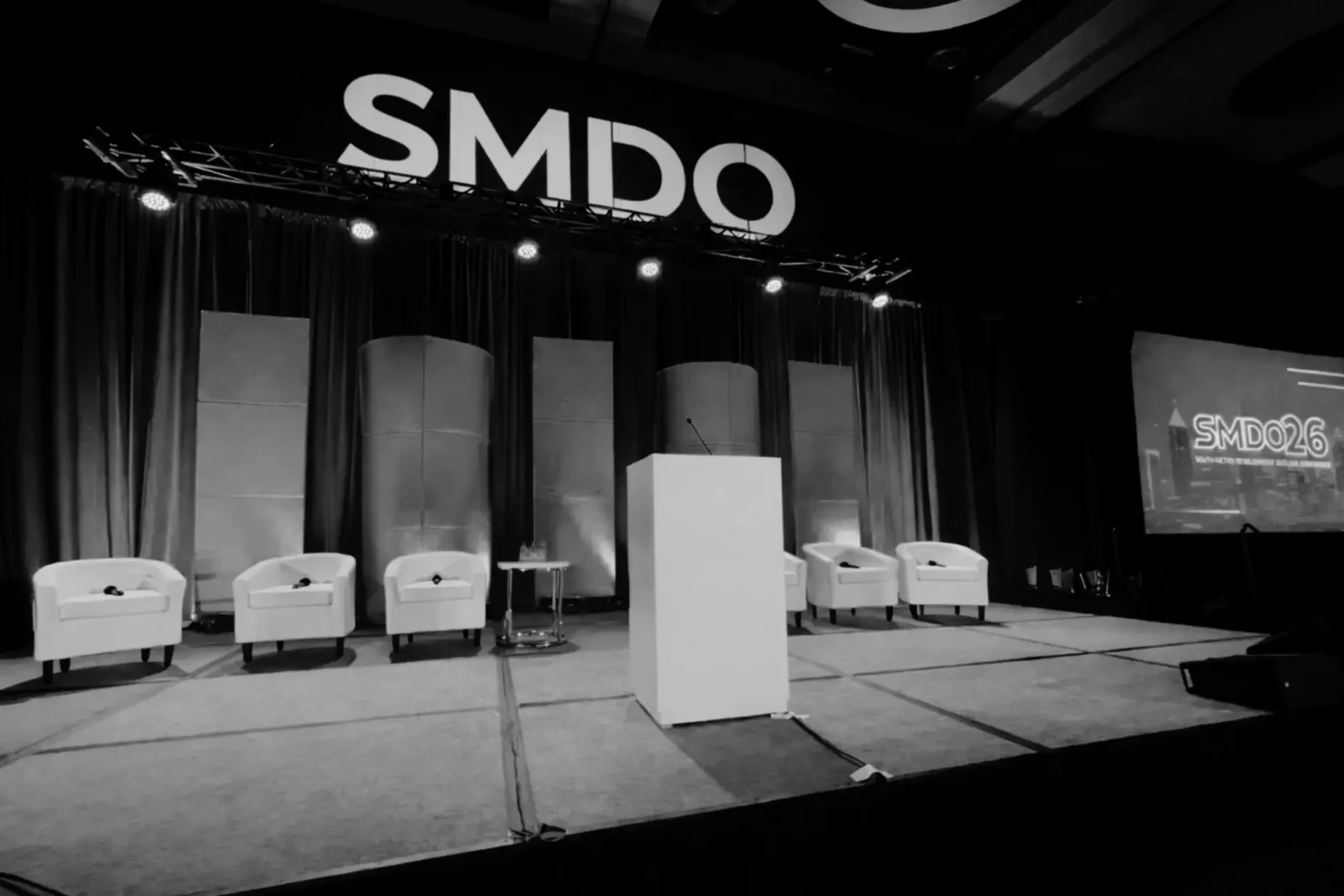
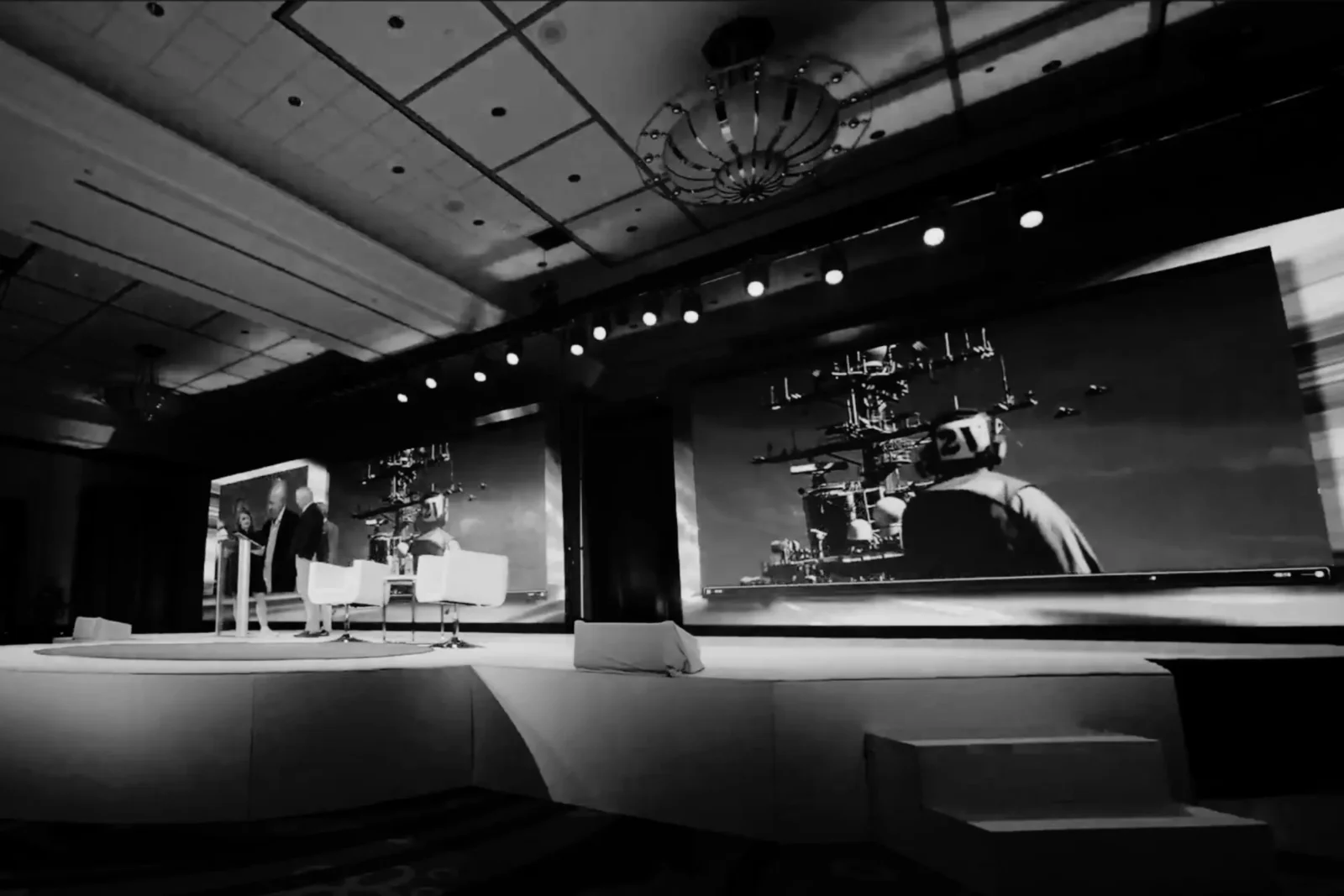
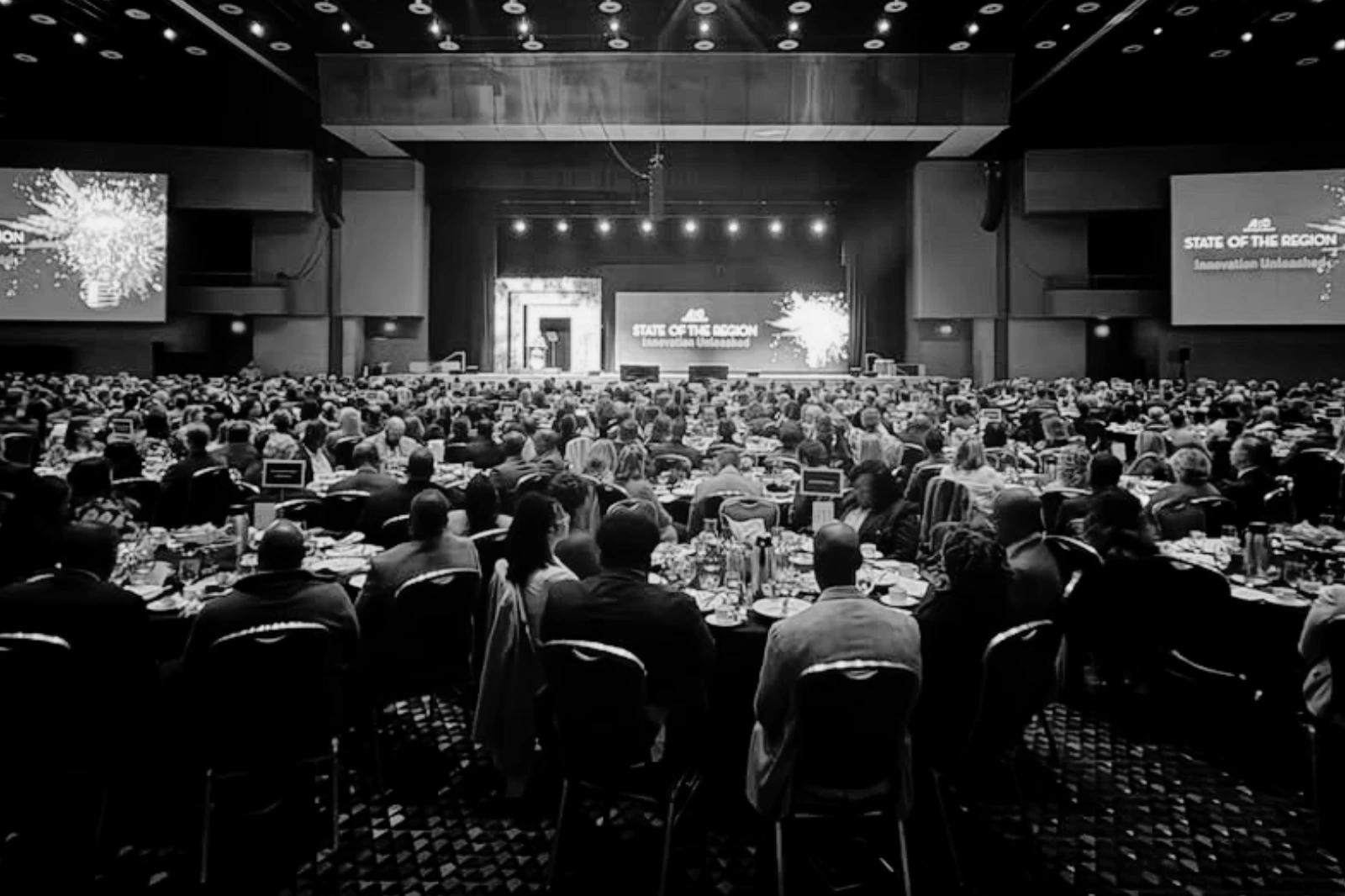
During conference planning, the most visible production decisions often involve staging, sound, screens, lighting, and content. Hotel internet and Wi-Fi can feel like a venue detail, yet connectivity often supports the systems that allow the program to move smoothly.
Registration platforms, badge printing, livestreams, remote presenters, sponsor activations, audience engagement tools, and production workflows may all depend on reliable connectivity. For that reason, AV and production teams often ask about internet services early in the planning process.
The goal is to understand how technology will be used, review what the venue already offers, and help planners determine the right path for the event. Many hotels and convention venues have strong in-house internet services. In some situations, venue-provided Wi-Fi or dedicated venue internet is exactly the right fit. In other cases, the event may benefit from hardwired connections, segmented access for key systems, or backup options.
Venue selection shapes far more than location and room count. Power, loading access, rigging, room layouts, and internet services all connect to the production plan. That is the practical planning lens behind Corporate Conference Planning: Venue, AV, and Budget Considerations.
Why Internet Comes Up in AV Planning
A production partner looks beyond the equipment list. A general session may involve speaker laptops, confidence monitors, content playback, lighting control, camera feeds, streaming encoders, wireless microphones, and show communications. Some of those systems may require network access. Others perform best when they are separated from general attendee use.
That is why internet questions often appear alongside discussions about room layouts, run of show, speaker support, streaming goals, and registration flow. The AV team is trying to understand which systems are guest-facing, which systems are operational, and which systems are central to the program.
This is similar to the way audio, video, lighting, staging, streaming, and show management are evaluated together through AV Production Services. Each element contributes to the full production plan.

Guest Wi-Fi, Dedicated Service, and Wired Connections
Most event venues offer guest Wi-Fi for attendees and may offer event-specific services for higher-demand programs. For many conferences, guest Wi-Fi provides strong support for email, web browsing, social media, and light event app use.
Dedicated event internet may be considered when important event functions require more predictable performance. Wired connections may be used for fixed systems such as registration stations, streaming computers, show control machines, sponsor demos, or exhibitor technology.
A helpful planning distinction is simple: wireless access supports mobility, while wired access supports stability for fixed systems. The right combination depends on how the event operates.

Attendee Count Is Only One Part of the Conversation
Attendance matters, but network use matters just as much. A 1,000-person leadership session with email and a lightweight event app may have simpler connectivity needs than a 250-person program with live polling, remote presenters, livestreaming, sponsor kiosks, and registration stations.
Attendees, speakers, exhibitors, sponsors, registration teams, media teams, and production staff may each have different needs. Separating those needs early helps planners understand which services can be supported by venue Wi-Fi and which functions may benefit from dedicated planning.

Streaming and Hybrid Sessions Change the Discussion
Livestreaming and hybrid participation introduce a specific consideration: upload capacity. For in-room attendees, download speed often receives the most attention because people are accessing apps, email, websites, and event information. For streaming, the connection also needs to send video out of the venue at a stable level.
A general session with a livestream, a remote presenter, or a virtual audience should include an internet discussion during production planning. That conversation helps the team review streaming quality, platform requirements, backup options, and coordination with venue IT.

Event Organizers Have Options
Internet planning can include several paths. Options may include hotel guest Wi-Fi, dedicated venue bandwidth, wired Ethernet drops, venue IT support, temporary 5G or bonded cellular solutions, satellite service for remote locations, or third-party event internet specialists.
The value of a production partner is helping planners compare those options in context. Many hotel and convention center solutions are excellent and may fit the event perfectly. Specialized providers may also be helpful for outdoor programs, pop-up activations, touring environments, large exhibit areas, or programs with unique connectivity requirements.

Questions Your AV Partner May Ask
During planning, your AV partner may ask:
- Will registration or badge printing require internet access?
- Will the event include livestreaming or hybrid participation?
- Are remote presenters joining the program?
- Will speakers use cloud-based presentation tools?
- Is an event app, polling platform, or live Q&A tool part of the program?
- Will sponsors or exhibitors need connectivity for demos or lead capture?
- What venue internet services are included, and what additional options are available?
These questions help connect internet planning to the actual event experience. Mobile apps, audience response tools, livestreaming, and content systems all fit within the larger world of Event Technology Solutions, which means connectivity deserves a place in the same planning conversation.
Coordinated Planning Supports Stronger Execution
Internet services touch many groups during an event. The venue team may manage the building infrastructure. The registration provider may support check-in. Exhibitors may need booth connectivity. A streaming team may need stable upload capacity. The production team may need access for show communications, content workflows, or hybrid support.
Early coordination helps each group understand the plan before load-in, assign the right point of contact, clarify support expectations, and understand what services are available during event hours.
For larger programs, this coordination becomes part of the same preparation that supports staging, lighting, video, audio, rehearsals, and show management. Producing the 2026 Allie Awards at Hotel Phoenix Atlanta illustrates how complex live events depend on coordination across multiple production disciplines.
Key Takeaway
Hotel internet and Wi-Fi are part of the production planning conversation because many event technologies rely on connectivity. The takeaway is simple: understand the event, review the venue’s capabilities, and let your AV partner help determine the most appropriate approach.
A knowledgeable production partner can help planners ask better questions, align technical needs with venue services, and build a plan that supports the program from arrival through the final cue.
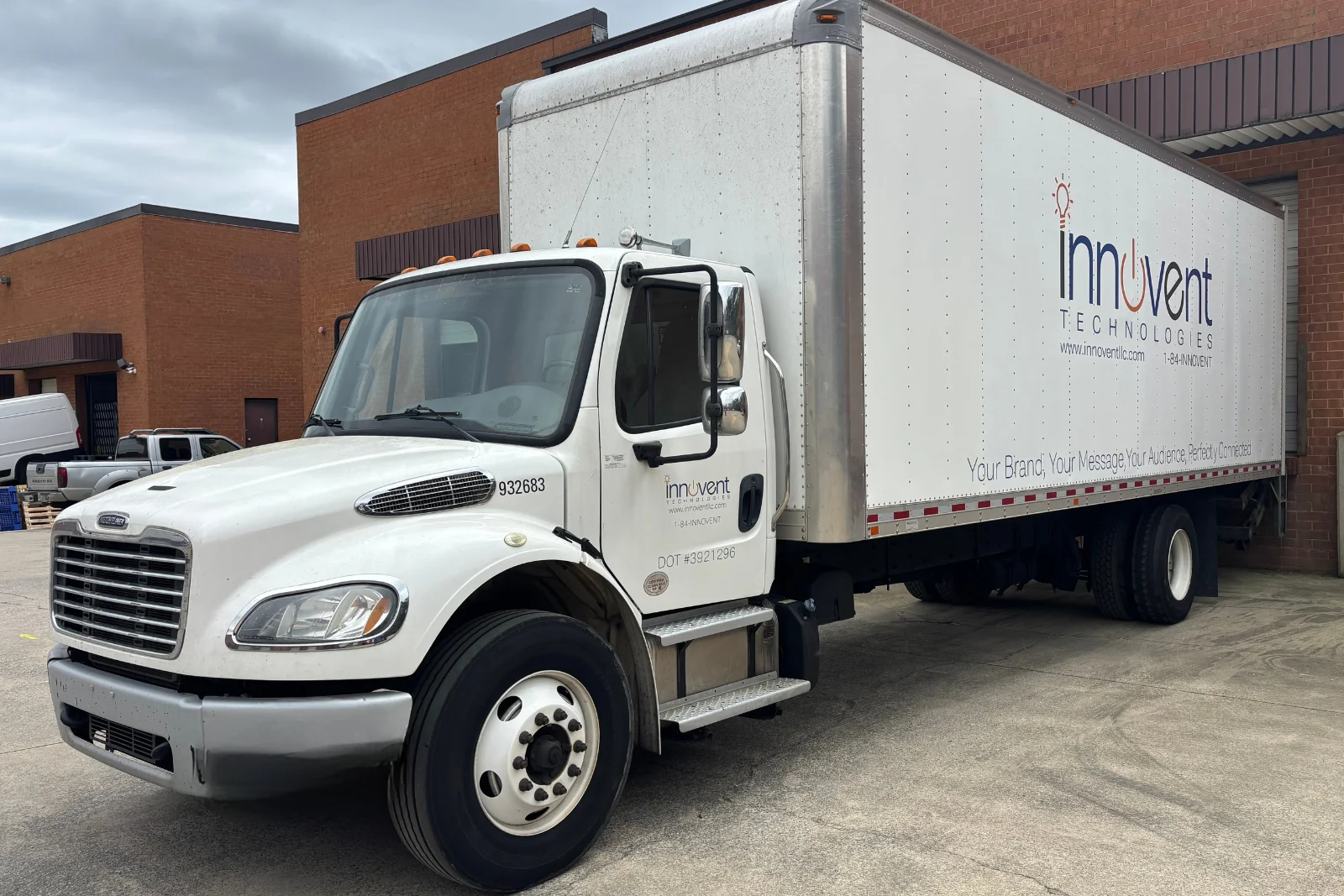
Examples of these event environments can be found throughout the Event Portfolio, which highlights conferences, meetings, galas, and corporate programs supported by Innovent Technologies.
Planning a conference or corporate event? Schedule a call with our team to discuss your event goals, venue, and production requirements. We will learn more about your program and help determine the best path forward.