Breakout rooms give conferences space to become more focused, interactive, and useful for attendees. These sessions often carry some of the most valuable parts of the program, including technical education, leadership development, peer discussion, training, sponsor content, medical education, association learning, and subject-specific conversations that connect directly to the goals of the event.
At Innovent Technologies, we look at breakout rooms as part of the full conference experience. Each room has a purpose, and that purpose should guide the AV plan. A presentation room, panel room, workshop space, sponsor session, and recorded education track may each require a different approach.
For meeting planners, breakout room AV planning starts with a simple question: what does each session need to accomplish?
Once that purpose is clear, the room setup, microphones, screens, speaker support, technician coverage, and recording plan can be built around the experience the planner wants to create.
Start with the Breakout Agenda
The agenda is the best starting point for breakout room planning. Before building an AV plan, our team reviews each room by session type, speaker count, content format, and timing.
Helpful planning details include:
- How many breakout rooms are active at the same time
- How many sessions happen in each room
- How much time is available between sessions
- How many presenters or panelists are involved
- Which sessions include audience participation
- Which rooms include panel discussions or moderated conversations
- Which sessions require recording, streaming, or hybrid support
- Which rooms carry the highest visibility or complexity
These details give the production team a clear picture of how the day will move. They also help planners identify which rooms need a standard presentation setup and which rooms need additional support because of speaker count, content complexity, or attendee participation.
Match the Room Setup to the Session Format
Different breakout formats require different planning decisions.
A presenter-led session may need a podium, microphone, screen, laptop connection, and a clear path for slide advancement. A panel discussion may need multiple microphones, a moderator position, audience Q&A support, and a layout that keeps the panel connected to the room. A workshop may need flexible seating, handheld microphones, and a setup that supports conversation. A technical training session may need strong screen visibility, reliable audio playback, and a dependable way to connect presenter laptops.
This is where early AV planning creates value. The goal is to translate the agenda into a practical room plan that supports the way each session is intended to function.
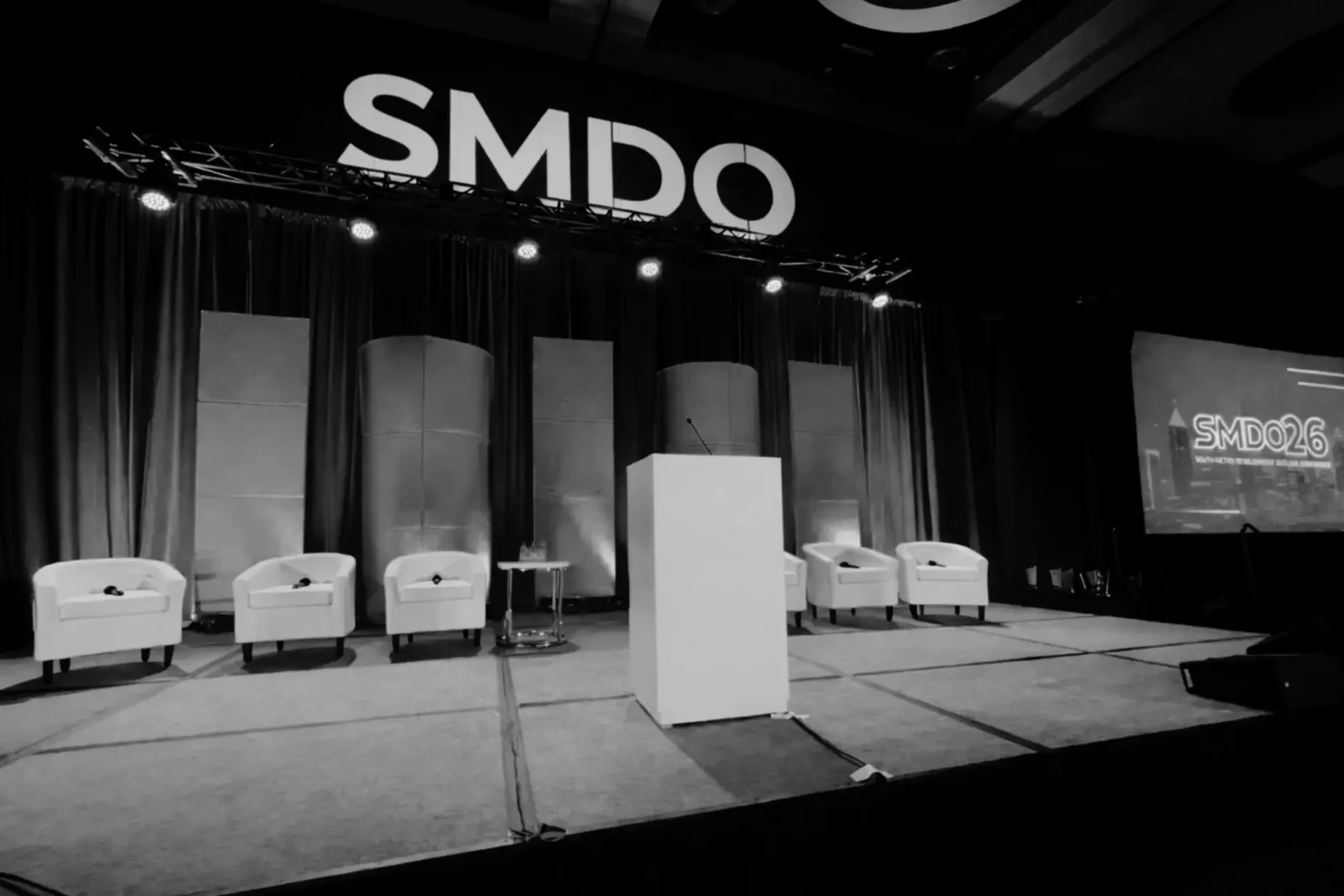
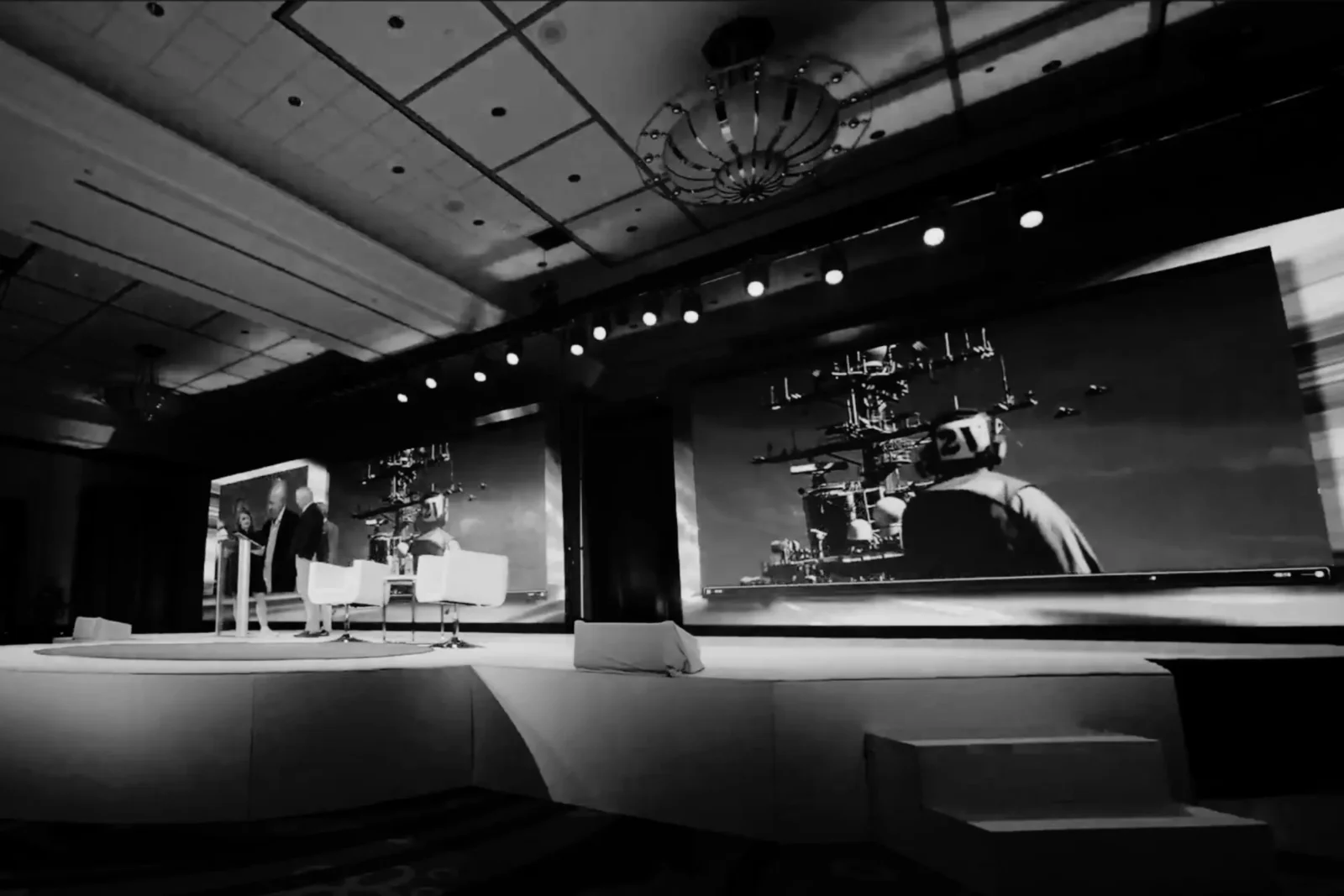
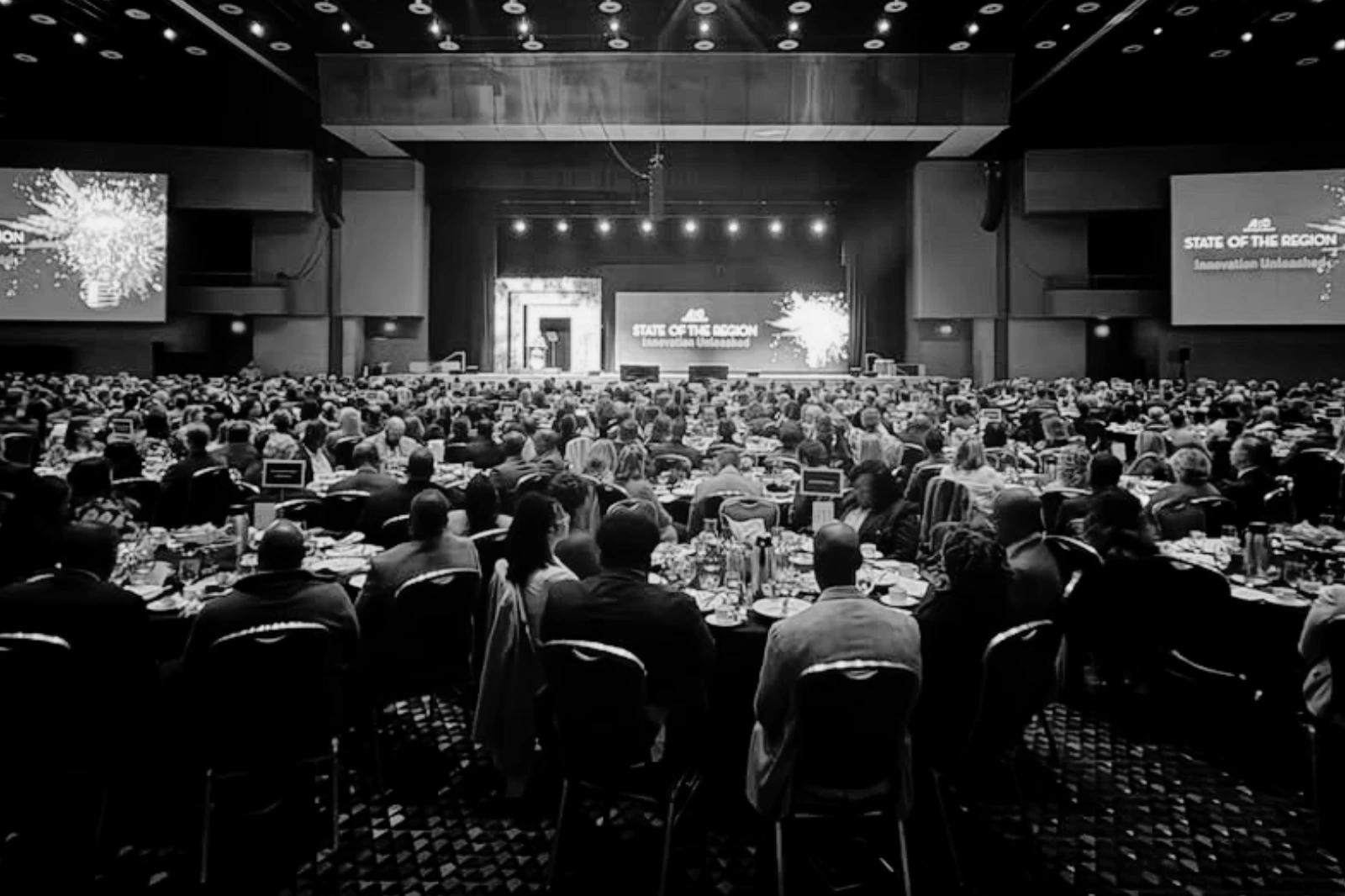
For the South Metro Development Outlook Conference (SMDO), we supported different program environments within the same event. That kind of planning requires more than placing equipment in rooms. It requires understanding how each space will be used, how attendees will move through the program, and how each session format should feel once it begins.

Create Consistency Across Similar Rooms
Many multi-track conferences include several rooms with similar session formats. In those cases, a baseline breakout setup can help create a consistent attendee and speaker experience.
A baseline setup may include:
- Presentation screen or display
- Presenter position or podium
- Microphone plan
- Laptop connection
- Audio playback support
- Confidence monitor when appropriate
- Room signage
- Defined location for technical support
Consistency is especially helpful when attendees move between tracks throughout the day. It gives each room a familiar flow and helps speakers understand what to expect when they arrive. It also gives the planning team a clearer way to communicate room needs with presenters, moderators, venue staff, and the production crew.
From that baseline, specific rooms can be adjusted for panels, workshops, sponsor sessions, recordings, higher-profile speakers, or more interactive formats.
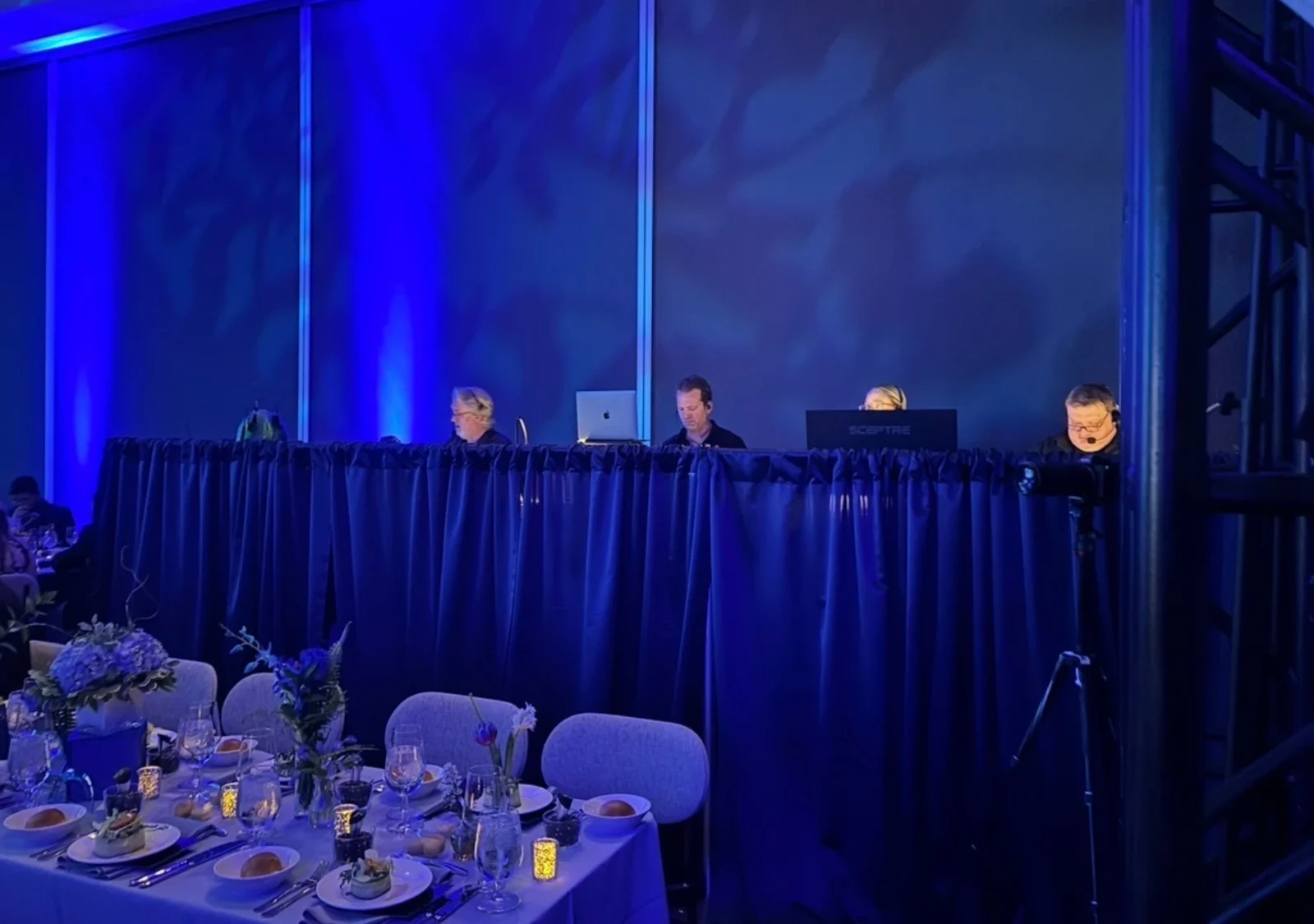
Think About the Room Experience
Breakout room planning is also about the way a space feels. Some rooms are built for education and clarity. Others are built for discussion, networking, sponsor engagement, or a more creative guest experience.
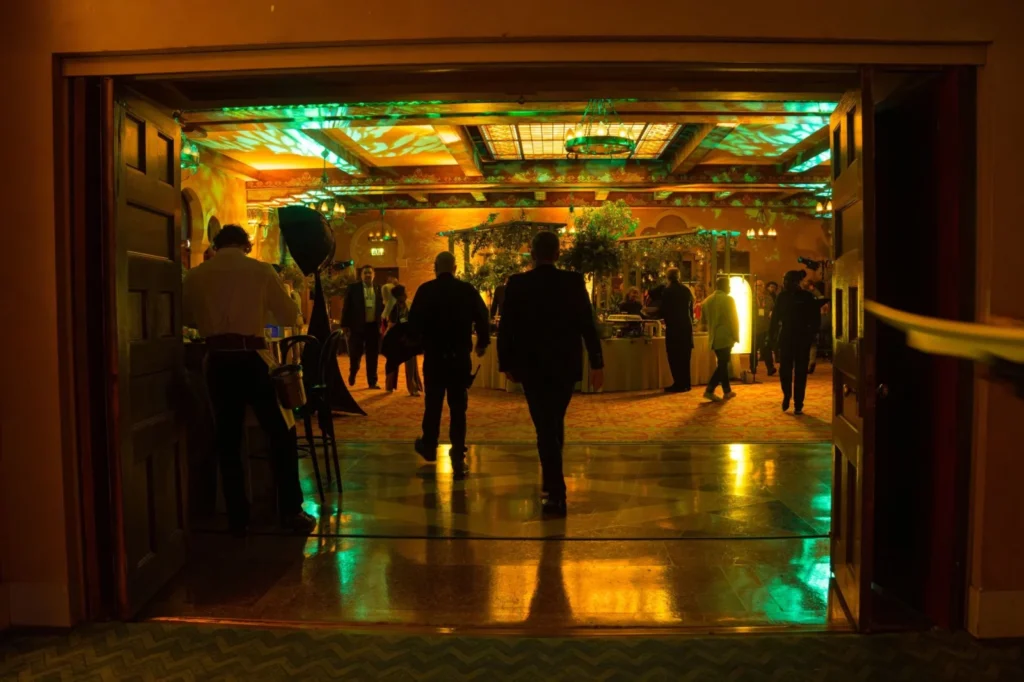
That same planning principle applies across different types of event environments. For IHG Night at the Fox, Innovent supported a multi-environment guest experience where attendees moved through different spaces with their own purpose and atmosphere. For Piedmont Healthcare’s Luminaria event, the firefly-inspired lighting effect helped shape the feeling of the room and connect the environment to the purpose of the evening.
These examples show how AV planning can support more than technical delivery. Lighting, audio, room layout, displays, and environmental details can help define how attendees experience a space.
Prepare for Session Transitions
Breakout schedules can move quickly. Speakers change, topics shift, rooms reset, and attendees move between tracks. Planning those transitions early helps the day feel smooth and intentional.
Important transition details include:
- Time between sessions
- Slide deck changes
- Laptop swaps
- Microphone resets
- Panel setup changes
- Moderator handoffs
- Q&A microphone management
- Speaker check-in timing
- Room reset expectations
These details have a major impact onsite. A clear transition plan helps keep sessions on schedule and gives the event team a better rhythm throughout the day.

Connect Breakout Rooms to the Full Conference Experience
Breakout rooms work best when they are planned as part of the full conference production strategy. The general session, breakout agenda, signage, internet, speaker support, room layouts, and attendee movement all connect.
At Innovent Technologies, our role is to help planners turn those details into a clear production plan. That includes understanding the purpose of each room, recommending the right technical setup, preparing for speaker needs, assigning the right level of support, and helping the event team manage the flow onsite.
Breakout rooms are where many conference ideas become practical, specific, and actionable for attendees. With thoughtful planning and the right production support, these spaces can become focused environments for learning, discussion, collaboration, and meaningful participation.
A trusted AV production partner can make this process easier for planners and their teams by helping connect the agenda, venue, speakers, technology, and onsite execution into one coordinated plan. When those details are addressed early, breakout room planning becomes more seamless, more organized, and better aligned with the goals of the conference.