Conferences rely on many connected systems working together at the same time. Audio, video, lighting, staging, content playback, speaker support, event technology, venue coordination, and show flow all shape how the program is experienced by attendees.
For event planners, reliability comes from more than equipment. It comes from clear responsibility, structured planning, open communication, and a production team that understands how each part of the event connects to the next.
What Event Technology Means in a Conference Environment
In a conference setting, event technology includes the systems that support registration, presentations, live video, content playback, streaming, recording, attendee engagement, and communication between teams.
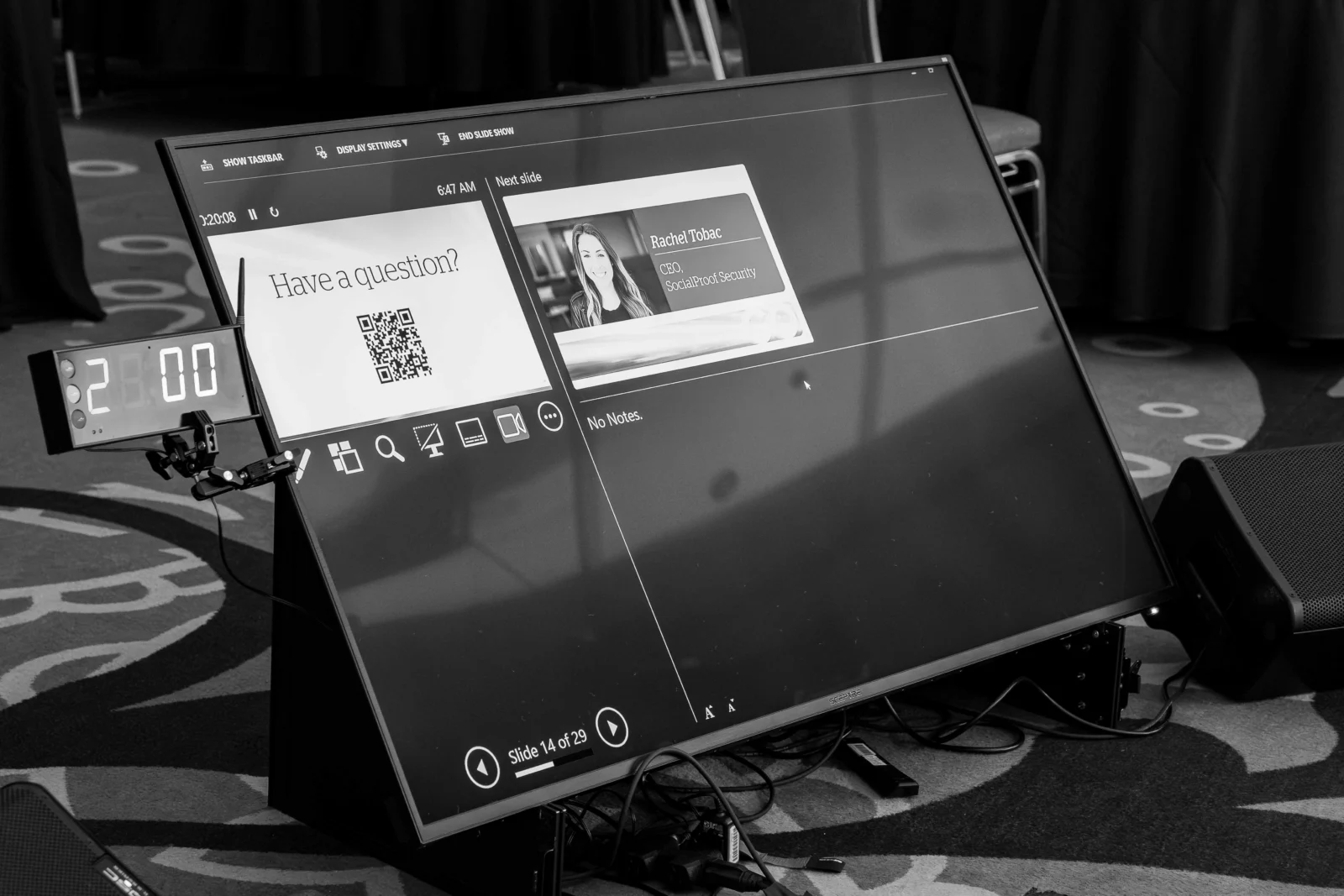
These systems often overlap with AV production. A keynote presentation may require slide playback, confidence monitors, microphones, IMAG, lighting cues, and livestream support. A breakout room may require presentation switching, audio reinforcement, recording, and support for multiple speakers.
Strong conference production connects these pieces into one coordinated environment. That structure helps planners understand who is responsible for each system, how information moves between teams, and how changes are handled during the event.


Why Integrated AV Systems Matter for Conferences
Integrated AV systems bring audio, video, lighting, staging, and event technology into alignment. For conferences and multi-day programs, this matters because each system affects the others.
A lighting cue can support a speaker transition. A camera shot can depend on stage layout. A presentation handoff can affect timing, confidence monitors, and show calling. Audio coverage can shape how attendees experience both the room and any recorded content.
This is why planners benefit from working with a team that views production as a complete system. Innovent Technologies’ event production services are built around coordinated planning across audio, video, lighting, staging, and on-site execution.
How Responsibility Is Structured Across Production
Conference production often includes several groups: the event planner, venue team, AV production partner, speakers, sponsors, internal stakeholders, and event technology providers.
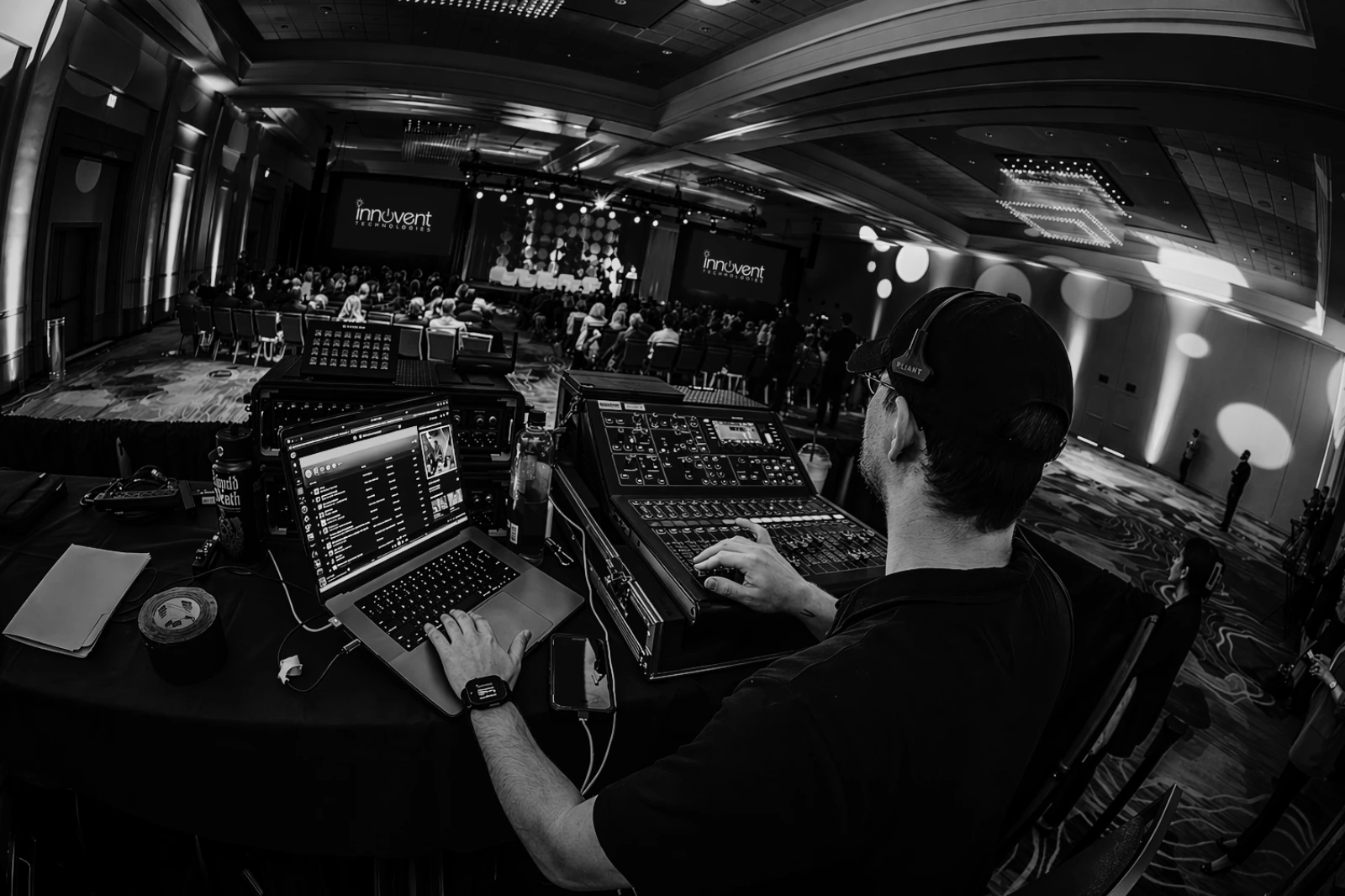
Clear responsibility helps every group understand how the event will operate. The planner should know who is managing technical communication, who is coordinating with the venue, who is reviewing the run of show, who is handling presentation changes, and who is leading execution on-site.
This is especially important when comparing venue AV and external production support. Each model can work, but responsibility needs to be defined early. We recently published an article on how AV production works for conferences, which provides a helpful comparison for planners evaluating these options.
What an Accountable AV Production Partner Owns
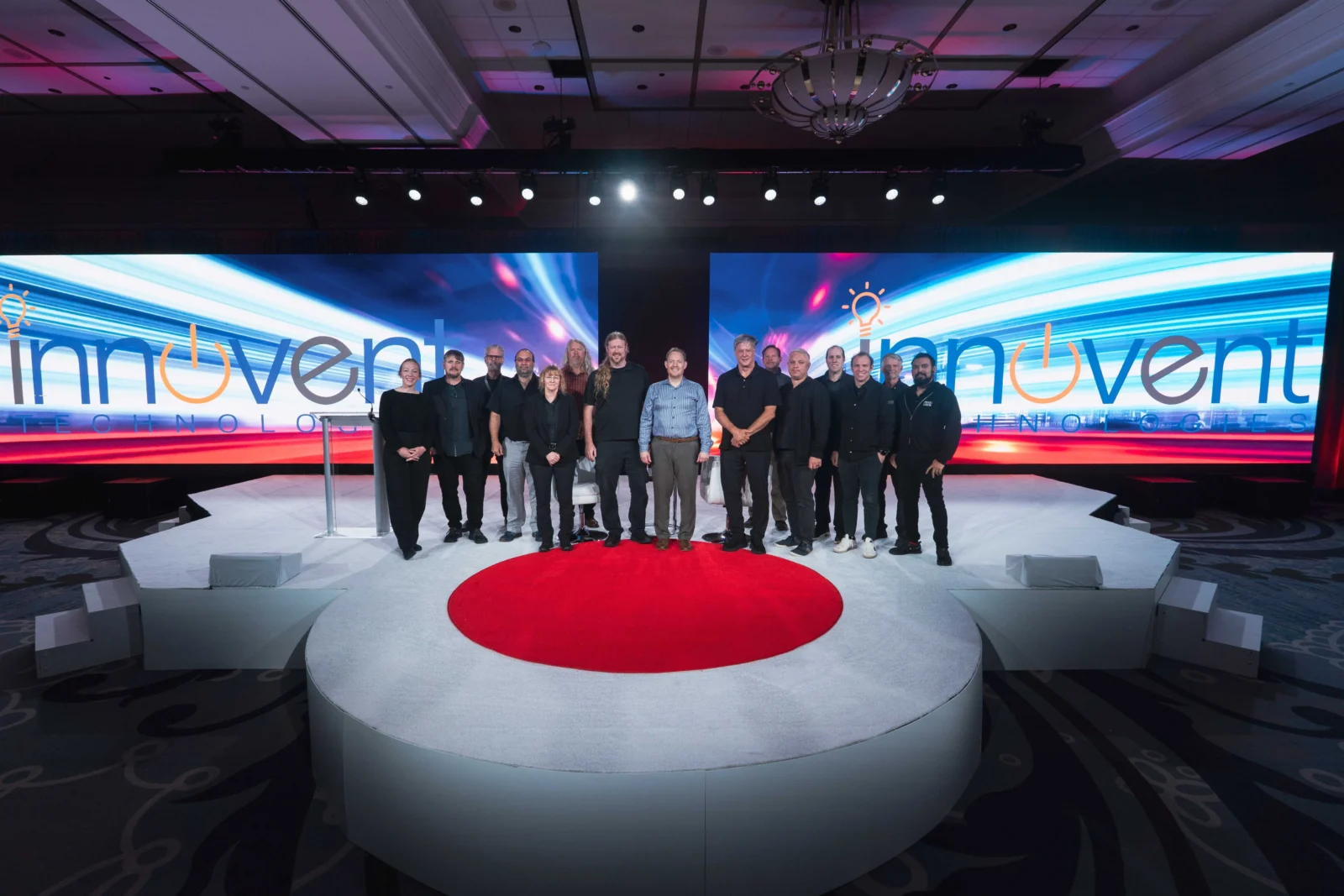
An accountable AV production partner helps create clarity across the full planning process. That starts before equipment is selected.
A responsible partner should support discovery, technical planning, layout review, CAD coordination, venue communication, production scheduling, staffing, show flow review, rehearsals, and on-site execution. The goal is to keep the planner informed while making sure the technical plan supports the full program.
Open lines of communication matter at every phase. During early planning, communication helps define the scope. During pre-production, it keeps timelines, drawings, content needs, and vendor responsibilities aligned. During the event, it supports quick decisions and consistent execution.
Planners can review Innovent Technologies' recent productions to see how coordinated production planning translates into real event environments.
Show Flow, Show Calling, and Program Execution
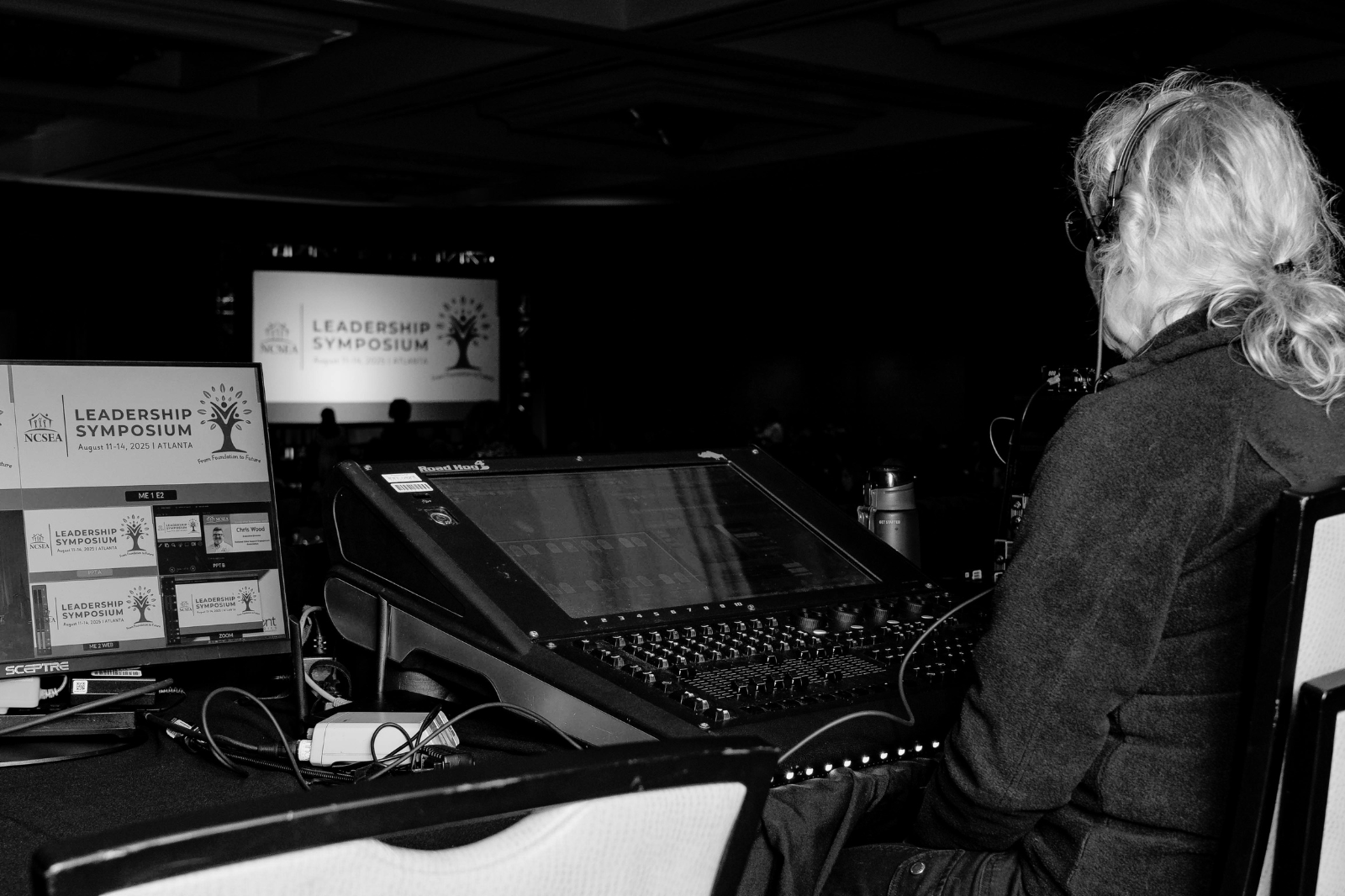
Show flow is the structure that keeps the program moving from one moment to the next. It includes speaker entrances, microphone cues, presentation playback, lighting transitions, video rolls, panel changes, award moments, and timing between sessions.
A strong show caller plays a central role in this process. The show caller coordinates cues across the production team so audio, video, lighting, content, and stage movement happen in sync. For event planners, this creates confidence that the program is being guided by someone focused on timing, clarity, and execution.
For large conferences, show calling becomes even more important because the program may include keynotes, panels, sponsor moments, videos, walk-up music, live camera shots, and last-minute changes. A good show caller helps turn the planning document into a live experience that feels organized in the room.
AV Production at Scale: Multi-Day and Multi-Room Conferences
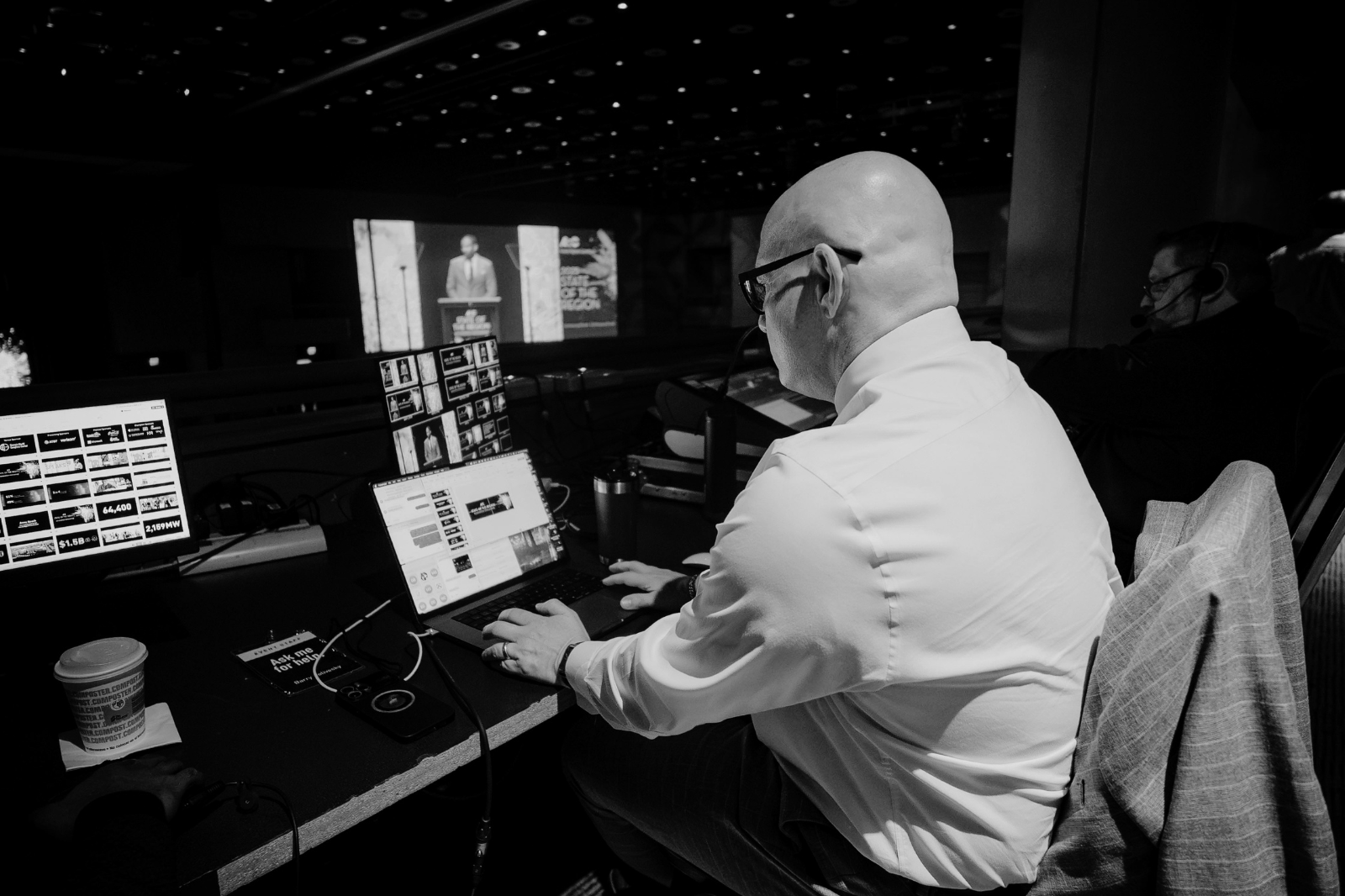
AV production at scale requires consistency. A multi-day conference may include a general session, breakout rooms, sponsor areas, registration spaces, networking events, and evening programs.
Each room may have different needs, but the event still needs to feel connected. Audio should be clear. Screens should be placed with sightlines in mind. Lighting should support the purpose of the room. Presentation support should be organized. Teams should know how changes are communicated and approved.
Reliable production at scale comes from repeatable systems. Staffing plans, room diagrams, cue sheets, content workflows, and communication channels help each part of the event operate with the same level of attention.
For larger programs, early decisions have a major impact on execution. Our article on 10 decisions that shape large-scale conference production expands on the planning choices that matter most for events with 1,000 or more attendees.
Planning Around the Venue and Environment
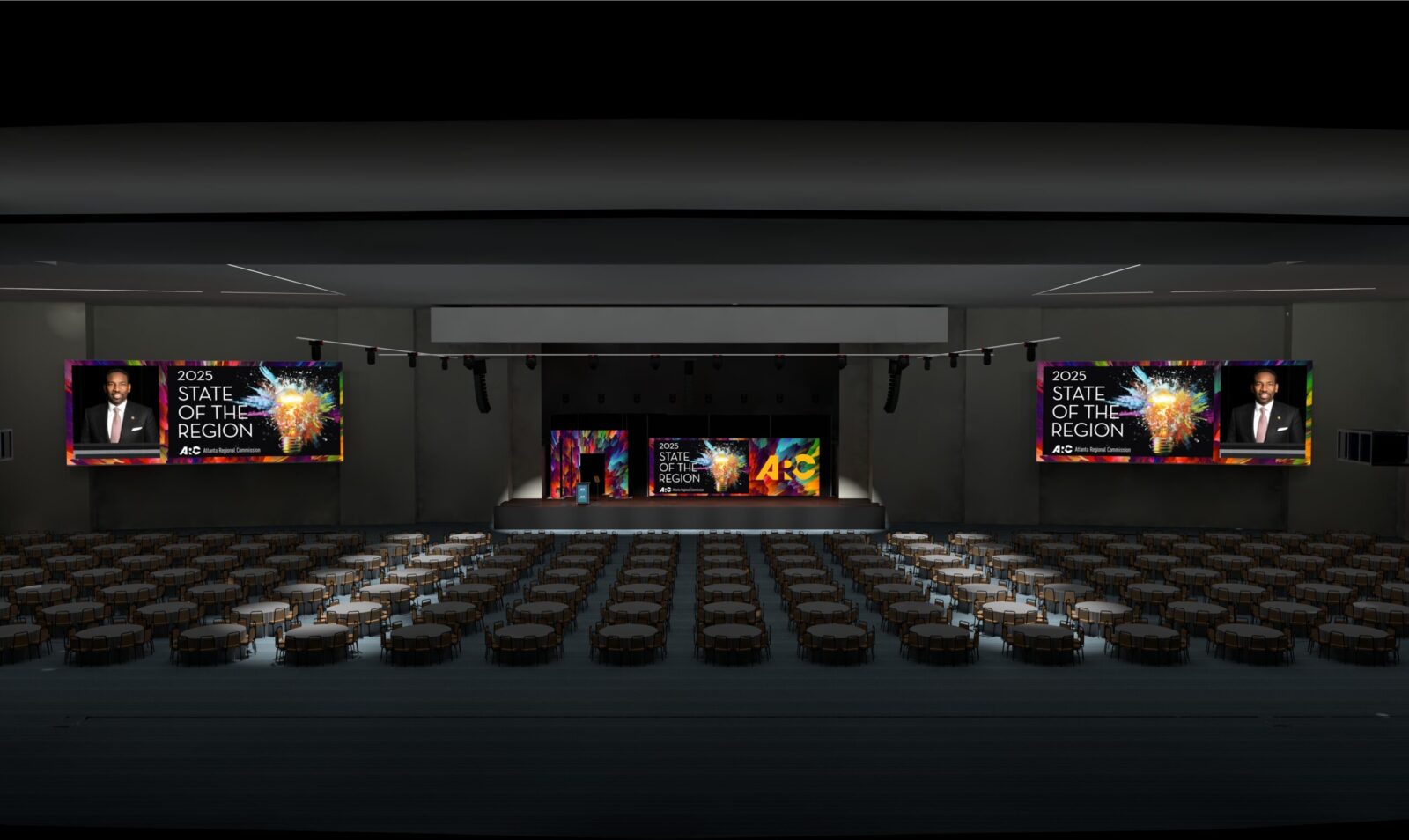
The venue shapes the production plan. Ceiling height, rigging access, power, loading logistics, room dimensions, seating layout, screen placement, and breakout locations all influence how AV production should be designed. Learn more about the role of CAD layouts in pre-production planning.
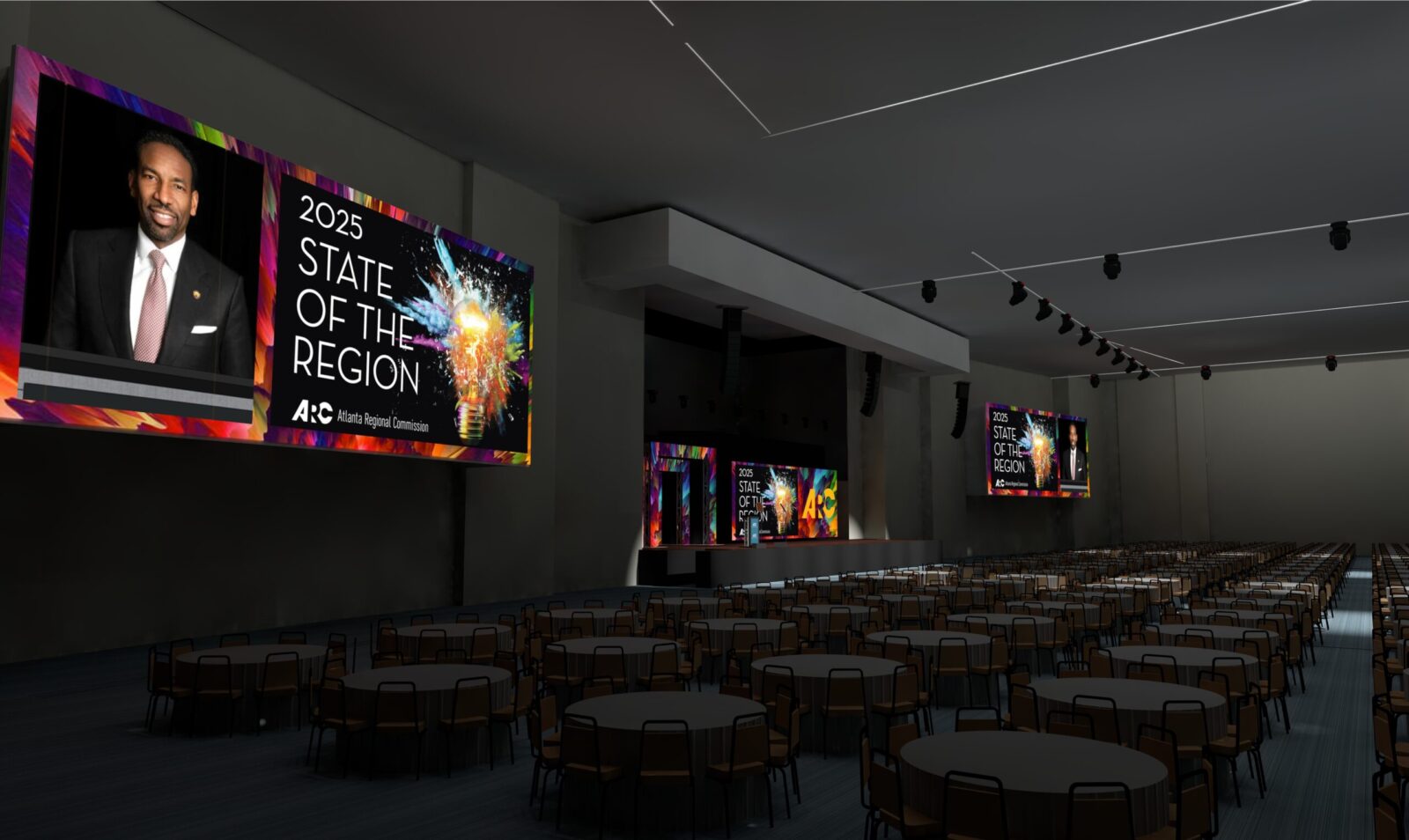
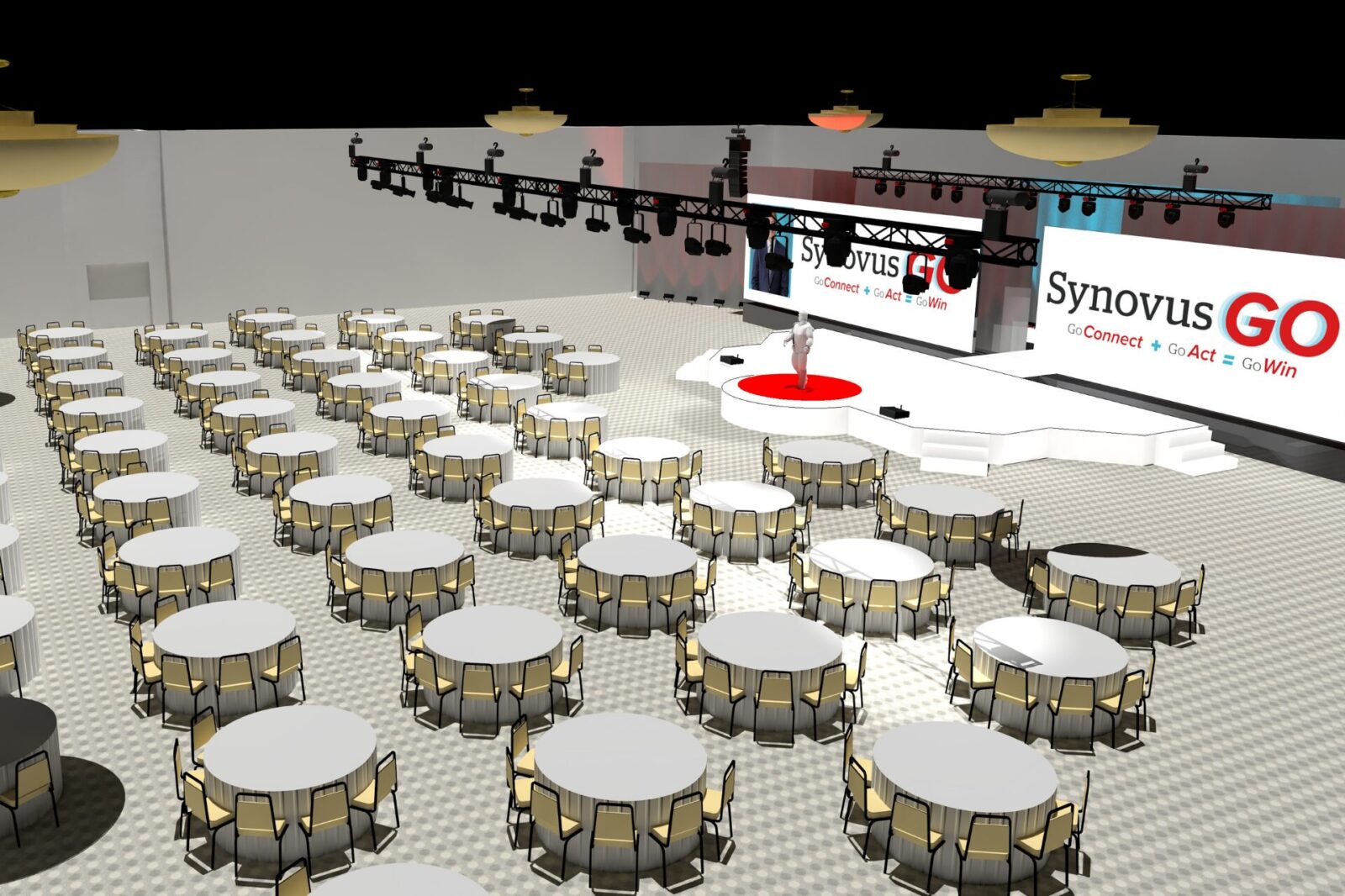
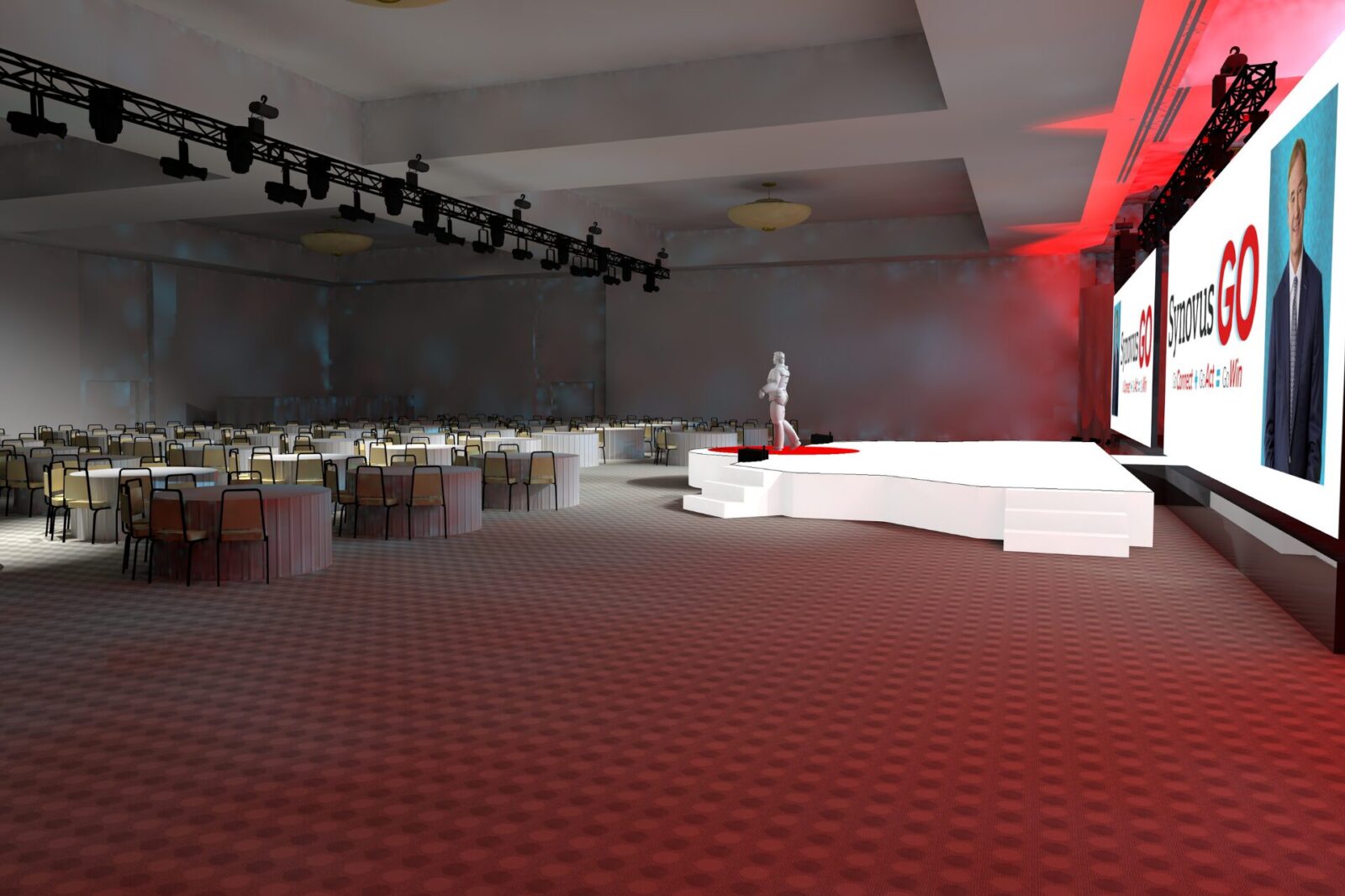
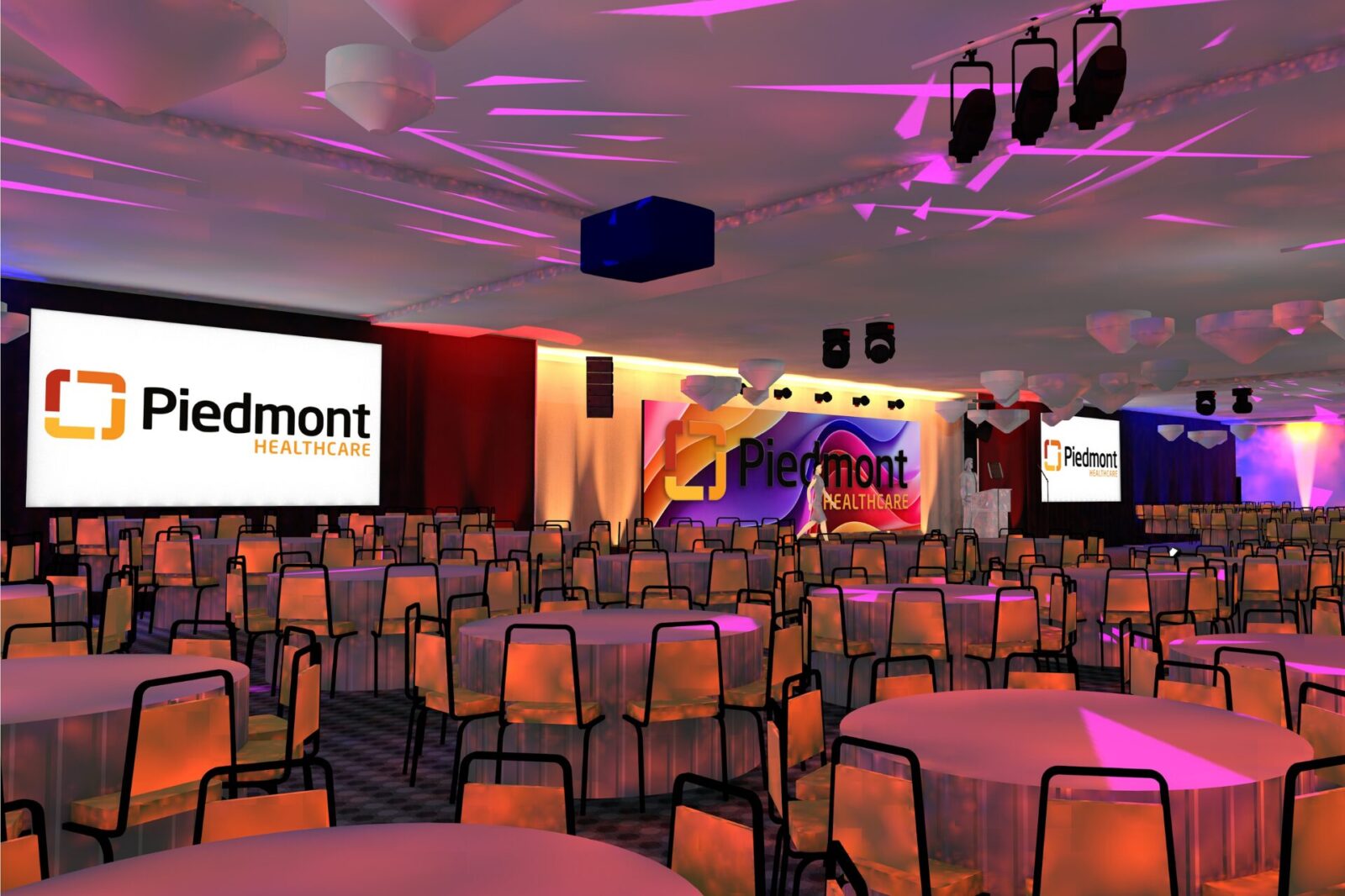
This is especially important in Atlanta, where planners have access to a wide range of hotels, conference centers, convention spaces, and event venues. Our guide to top conference venues in Atlanta can help planners think through venue fit from a production perspective.
Technology, Equipment, and System Reliability
Reliable production depends on technology that is selected, maintained, and managed with purpose. Equipment matters because it supports the system, but the stronger value comes from how that equipment is planned, integrated, and operated.
For conferences, this may include microphones, speakers, cameras, switchers, projectors, LED displays, lighting fixtures, truss, staging, playback systems, communication tools, and control positions. Each piece needs to serve the room, the schedule, and the program goals.
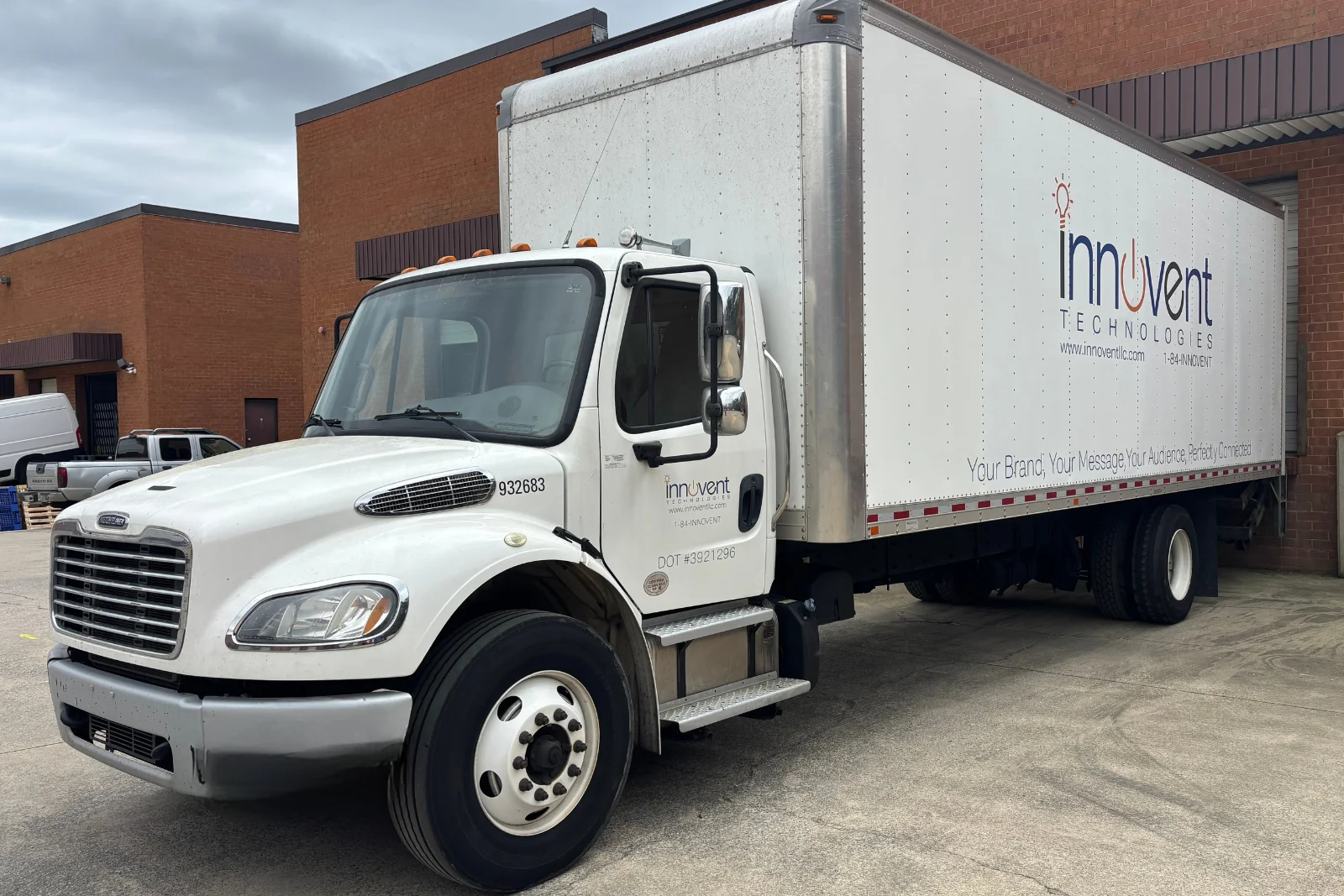
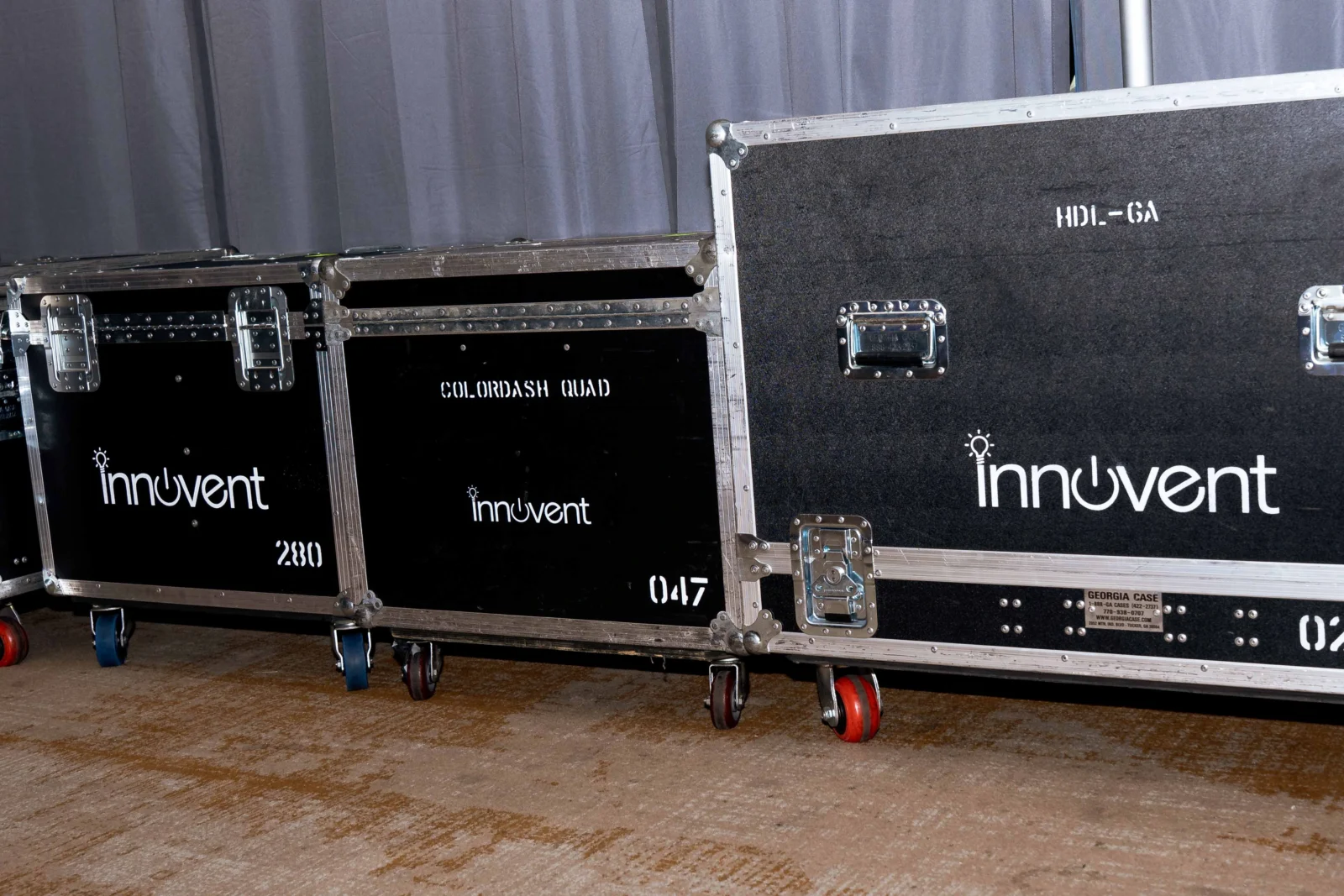
A production partner with direct access to managed equipment can help support planning accuracy, technical consistency, and on-site responsiveness. Explore our event technology and equipment page to learn more about the systems used to support event execution.
Questions Event Planners Should Ask Before Choosing a Production Partner
Before committing to an AV production partner, planners can learn a lot from the questions they ask early.
Helpful questions include:
- Who is responsible for overall production communication?
- Who manages show flow and show calling?
- How are presentation changes handled before and during the event?
- How are general sessions and breakout rooms coordinated?
- Will CAD drawings, room layouts, or technical diagrams be part of the planning process?
- How does the team communicate with the venue?
- Who is leading the production team on-site?
- How are equipment, staffing, and schedule changes managed?
- What experience does the team have with multi-day conferences or large general sessions?
These questions help planners move beyond surface-level comparisons and evaluate whether a partner can support the full production environment.
Building a Reliable Conference Production Environment
Reliable conference AV production comes from structure. Event technology, AV systems, content flow, staging, lighting, communication, and show calling all work together to support the program.
For event planners, the strongest production partners bring clarity to that structure. They help define responsibility, keep communication open, coordinate technical details, and guide execution from planning through show day.
At scale, that level of ownership matters. It helps the event feel organized, supports the planner’s goals, and gives each session the foundation it needs to run with confidence.